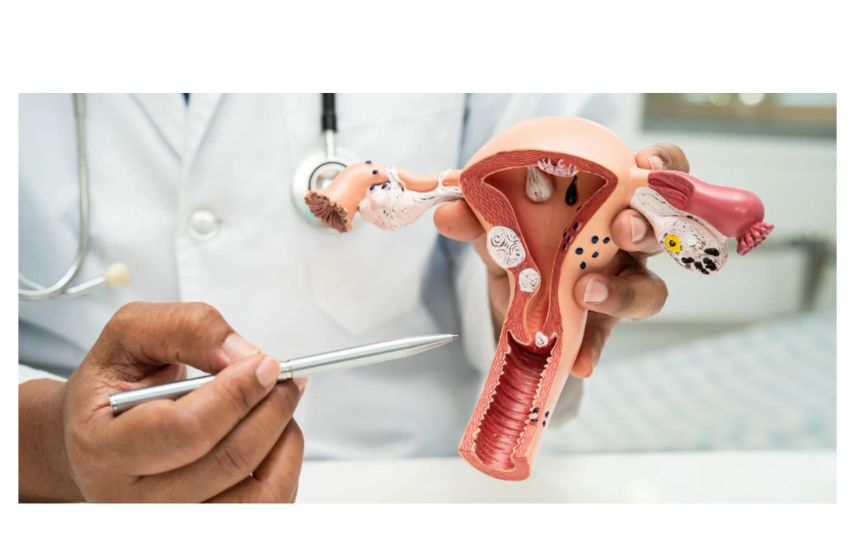
Hysteroscopy: A Minimally Invasive Solution For Uterine Health
Hysteroscopy is a minimally invasive diagnostic and surgical procedure that enables doctors to look inside the uterus with great precision. Using a slender, lighted instrument called a hysteroscope, this technique helps in both diagnosing and treating a wide range of uterine conditions.
In recent years, Hysteroscopy Treatment has become a crucial part of advanced gynecology. It offers women a safer, more comfortable, and faster alternative to traditional surgical approaches — all while preserving reproductive health and minimizing downtime.
What Is Hysteroscopy?
Hysteroscopy involves the insertion of a thin, illuminated tube through the cervix into the uterine cavity. The hysteroscope transmits high-quality images onto a monitor, allowing the doctor to visualize the uterus in real time.
The procedure can be either diagnostic — used to detect issues — or operative, in which the doctor treats the problem immediately. Many women prefer Hysteroscopy Treatment because it avoids large incisions, hospital stays, and long recovery times.
During the procedure:
- The patient is positioned comfortably in the lithotomy position.
- A speculum is inserted to visualize the cervix.
- The hysteroscope is gently passed through the cervical canal.
- Sterile saline is infused to expand the uterine cavity for clearer visibility.
- A camera attached to the hysteroscope projects the internal view onto a monitor for examination or treatment.
Types Of Hysteroscopy
Diagnostic Hysteroscopy
Diagnostic hysteroscopy is used to investigate symptoms or confirm abnormalities found in imaging tests. It helps doctors identify conditions such as:
- Abnormal uterine bleeding
- Polyps or fibroids
- Congenital uterine malformations
- Adhesions or scar tissue (Asherman’s Syndrome)
- Possible causes of infertility or recurrent miscarriages
This form of hysteroscopy is typically done in an outpatient setting under local or mild sedation. The procedure usually lasts only a few minutes and causes minimal discomfort.
Benefits of Diagnostic Hysteroscopy:
- Direct visualization of the uterine cavity
- More accurate than ultrasound or X-rays
- Quick recovery and minimal pain
- May prevent the need for open surgery
Operative Hysteroscopy
Operative hysteroscopy is performed when abnormalities detected during the diagnostic procedure need to be treated immediately. The doctor can insert tiny surgical instruments through the hysteroscope to remove or repair tissue.
Common procedures performed during operative Hysteroscopy Treatment include:
- Polypectomy: Removal of uterine polyps
- Myomectomy: Removal of fibroids
- Endometrial Ablation: Destroying part of the uterine lining to control heavy bleeding
- Adhesiolysis: Removing scar tissue (Asherman’s Syndrome)
- Septum Resection: Correcting a congenital uterine septum
This advanced approach eliminates the need for open surgery, reduces pain, and shortens recovery time, making it one of the safest and most effective Hysteroscopy Treatments available today.
Common Indications For Hysteroscopy
Doctors may recommend hysteroscopy for several uterine or fertility-related issues, such as:
-
Abnormal Uterine Bleeding:
Heavy, prolonged, or irregular bleeding
Bleeding between periods or post-menopause
-
Uterine Polyps or Fibroids:
Non-cancerous growths that cause bleeding, pain, or fertility issues
-
Uterine Adhesions (Asherman’s Syndrome):
Scar tissue inside the uterus that affects menstruation or conception
-
Congenital Uterine Abnormalities (Septum):
Structural issues present from birth that can interfere with pregnancy
-
Infertility Evaluation:
Detecting abnormalities that may prevent conception or implantation
-
Pre- or Post-Surgical Assessment:
Often performed before or along with procedures like laparoscopy or D&C for better surgical planning.
If you’re searching for the Best Doctor for Hysteroscopy in Pune, it’s essential to choose a specialist who combines medical expertise with advanced technology for accurate diagnosis and effective treatment.
Benefits Of Hysteroscopy Treatment
Hysteroscopy has transformed how gynecologists diagnose and treat uterine disorders. The key advantages include:
- Minimally Invasive: No major incisions or external scars.
- Reduced Recovery Time: Most women return to normal life within 24–48 hours.
- Less Pain: Smaller instruments and gentle techniques minimize discomfort.
- High Diagnostic Accuracy: Direct visualization ensures precise results.
- Same-Day Treatment: Abnormalities can often be corrected immediately during the procedure.
- Preserves Fertility: Helps treat infertility-related uterine problems while maintaining reproductive potential.
Because of these advantages, Hysteroscopy Treatment is now one of the most preferred gynecological procedures among women and specialists alike.
Preparing For Hysteroscopy
Proper preparation helps ensure that the procedure goes smoothly and yields accurate results.
Steps to Prepare:
- Medical Evaluation: Blood tests or imaging studies may be required before the procedure.
- Medication Review: Inform your doctor about all medications. Blood thinners may need to be temporarily stopped.
- Fasting: If general anesthesia is planned, fasting for 6–8 hours beforehand is necessary.
- Menstrual Cycle Timing: Diagnostic hysteroscopy is best performed right after menstruation, when the uterine lining is thin and visibility is clear.
Following your doctor’s pre-procedure advice helps avoid complications and ensures the best outcomes.
Recovery After Hysteroscopy
Recovery after Hysteroscopy Treatment is usually very fast. Most patients can return home the same day.
- Mild cramping or light bleeding is normal for a few days.
- Avoid strenuous exercise or sexual intercourse for 2–3 days or as advised.
- Resume daily activities within 24–48 hours.
- Follow-up visit: Ensures proper healing and review of lab results (if tissue samples were taken).
Operative hysteroscopy may involve a slightly longer recovery period, depending on the complexity of the treatment.
Why Choose Dr Shruti Patil for Hysteroscopy In Pune
At Dr Shruti Patil’s Obstetrics and Gynecology Clinic, every hysteroscopy procedure is performed with precision, comfort, and patient safety in mind. With advanced technology and years of surgical expertise, Dr Patil offers both diagnostic and operative hysteroscopy to accurately identify and treat uterine conditions such as fibroids, polyps, and adhesions — all without major incisions or long recovery times.
Her minimally invasive approach ensures faster healing, minimal pain, and excellent outcomes while preserving fertility and reproductive health. With personalized pre- and post-procedure care, a compassionate team, and state-of-the-art facilities, Dr Shruti Patil is recognized as one of the best doctors for hysteroscopy in Pune, trusted by women for safe and effective uterine care.
CLINIC LOCATION:-Aundh, Pune, Maharashtra
CONTACT:- +91 08042757049
SERVICES:- Hysteroscopy | Laparoscopy | Infertility | Gynecology | Obstetrics
With modern facilities, compassionate care, and extensive surgical expertise, Dr Shruti Patil ensures every woman receives safe, effective, and personalized treatment.
FAQ's OF Hysteroscopy
1. What is the difference between diagnostic and operative hysteroscopy?
Diagnostic hysteroscopy identifies uterine issues, while operative hysteroscopy allows treatment during the same procedure.
2. Is hysteroscopy painful?
Most patients experience only mild cramping. Local or general anesthesia may be used to ensure comfort.
3. How long does a hysteroscopy take?
Diagnostic hysteroscopy usually takes 5–30 minutes. Operative hysteroscopy may take longer, depending on the procedure’s complexity.
4. Can hysteroscopy help treat infertility?
Yes. Hysteroscopy can identify and treat uterine conditions such as fibroids, adhesions, or septa that may cause infertility.
5. What are the possible risks of hysteroscopy?
Though rare, risks include infection, bleeding, uterine perforation, or anaesthesia reactions. Choosing the Best Doctor for Hysteroscopy in Pune significantly reduces these risks.