Expert Caesarean Deliveries With Dr Shruti Patil — The Best LSCS Surgery In Pune
Every pregnancy and childbirth journey is unique. While many women deliver naturally, certain medical situations require a Lower Segment Caesarean Section (LSCS) to ensure the safety of both mother and baby. Commonly called a C-section, LSCS is a safe, proven surgical procedure performed when vaginal delivery may pose risks.
At Dr Shruti Patil’s Obstetrics and Gynecology Clinic in Pune, every birth is managed with precision, compassion, and personalized care. With over 18 years of experience, Dr Shruti Patil, a leading Caesarean Section Specialist Doctor, provides mothers with a reassuring and positive birthing experience supported by modern technology and expert surgical skill.
What Is A Lower Segment Caesarean Section (LSCS)?
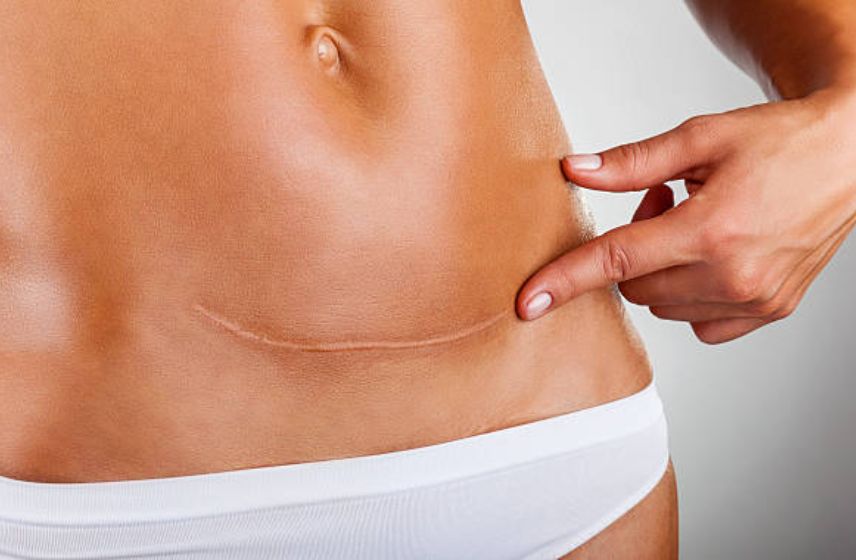
A Lower Segment Caesarean Section is a surgical method in which the baby is delivered through a small horizontal incision in the lower abdomen and uterus. Often called the “bikini cut,” this approach uses the lower uterine segment — a thinner, more flexible area that heals faster and reduces complications.
An LSCS may be planned (elective) or emergency-based, depending on the health of the mother and baby. It is typically done between 38 and 40 weeks, once the baby is fully developed. At Dr Shruti Patil’s clinic, every LSCS procedure is tailored to ensure the best LSCS surgery in Pune for each expectant mother.
When Is LSCS Treatment Recommended?
While vaginal birth is ideal, some medical conditions make a Caesarean delivery safer. Common reasons include:
- Breech presentation (baby’s feet or buttocks come first)
- Placenta previa (placenta covers the cervix)
- Fetal distress (baby’s heartbeat or oxygen levels drop)
- Pre-eclampsia (high blood pressure in pregnancy)
- Cephalopelvic disproportion (CPD) — baby’s head too large for the pelvis
- Transverse or oblique lie (sideways baby position)
- Umbilical-cord compression
- Previous C-section or uterine surgery
- Post-term pregnancy (beyond 41–42 weeks)
- Failure of labor to progress
Additional reasons may include fibroids, infection, or cervical scarring. In such cases, Dr Shruti Patil’s LSCS treatment ensures the safest delivery possible for both mother and baby.
Elective Or Planned Caesarean Deliveries
Some women choose a planned LSCS for personal comfort, anxiety management, or scheduling reasons. At Dr Shruti Patil’s clinic, mothers receive in-depth counselling about the benefits, risks, and recovery of both natural and surgical deliveries. This open, informed approach empowers families to choose the most suitable option confidently.
The LSCS Procedure: Step By Step
Every LSCS at Dr Shruti Patil’s Gynecology and Obstetrics Clinic is performed in a sterile, fully equipped environment with an expert surgical and anesthesia team.
- Pre-operative preparation:
Vital signs are checked, IV line started, and the bladder is emptied with a catheter. - Anesthesia:
Usually spinal or epidural anesthesia keeps the mother awake yet pain-free. - Incision:
A small horizontal “bikini” cut is made above the pubic line to access the uterus. - Delivery:
The baby is gently lifted out — a joyous and emotional moment. - Closure:
The placenta is removed, and the uterus and skin are closed with dissolvable sutures.
The surgery lasts about 45–60 minutes, during which both mother and baby are carefully monitored.
Post-Operative Recovery And Care
After LSCS, most mothers stay in the hospital for 2–4 days. Dr Shruti Patil and her nursing team provide continuous monitoring, pain control, breastfeeding assistance, and emotional reassurance.
Recovery Tips:
- Take adequate rest and avoid lifting heavy items for six weeks.
- Keep the incision clean and dry.
- Follow prescribed medicines and diet.
- Begin gentle walking to improve circulation.
- Eat a fiber-rich diet for digestion and faster healing.
With attentive care, most mothers resume regular activity within a few weeks.
Safety Measures And Possible Risks
LSCS is among the safest surgical procedures in modern obstetrics. However, minor risks may include:
- Mild wound infection or delayed healing
- Slightly increased blood loss
- Temporary breathing issues in newborns
- Mild reaction to anesthesia
- Slightly longer recovery time
At Dr Shruti Patil’s clinic, these are minimized through advanced equipment, sterile techniques, and personalized post-surgery follow-up. Her reputation as an experienced Caesarean Section Specialist Doctor ensures the highest safety standards.
Life After A Caesarean Delivery
Most mothers recover completely after an LSCS and can consider a Vaginal Birth After Caesarean (VBAC) in future pregnancies if medically fit. Dr Shruti Patil also offers postnatal counselling, nutrition guidance, and emotional support to help mothers regain strength and confidence after childbirth.
Why Choose Dr Shruti Patil For LSCS Treatment In Pune
If you’re seeking the best LSCS surgery in Aundh Pune, Dr Shruti Patil is one of the most trusted names in maternal healthcare. Her combination of surgical expertise and compassionate care has made her a preferred choice for expectant mothers across Pune.
Clinic Highlights:
- Advanced operation theatres and 24×7 emergency care
- Skilled anesthesiologists and nursing team
- Supportive, comfortable birthing environment
- Personalized counselling and postnatal recovery plans
From pre-operative preparation to postpartum follow-up, Dr Patil ensures every mother enjoys a safe, calm, and empowering delivery experience.
FAQ's Of LSCS (Lower Segment Caesarean Section)
1. What is the difference between a C-section and LSCS?
Both refer to the same procedure — a surgical delivery through a small incision in the lower abdomen and uterus. LSCS specifies the lower-segment approach, which promotes faster healing.
2. Is LSCS safe for both mother and baby?
Yes. When performed by an experienced obstetrician like Dr Shruti Patil, LSCS is extremely safe. Both mother and baby are continuously monitored throughout the procedure.
3. How long does it take to recover from a C-section?
Most women recover within 4–6 weeks. Early gentle movement, proper wound care, and follow-ups help accelerate healing.
4. Can I have a normal delivery after a previous LSCS?
In many cases, yes. Dr Shruti Patil evaluates each case individually to determine if a Vaginal Birth After Caesarean (VBAC) is safe.
5. Does LSCS leave a large visible scar?
No. The incision is made low on the abdomen (the “bikini line”), and with proper care, the scar fades significantly over time