Choosing A Vaginal Delivery With Dr Shruti Patil
For most expectant mothers, childbirth through normal delivery represents one of the most natural and empowering ways to bring a baby into the world. Under the expert care of Dr Shruti Patil, one of Pune’s most trusted gynecologists, the goal is to ensure the comfort, safety, and confidence of the mother at every stage of labor.
At Dr Shruti Patil’s Gynecology and Maternity Clinic, mothers are encouraged to trust their bodies and embrace the birthing process as a powerful and positive experience. The clinic’s calm, supportive environment allows mothers to take the lead in their birthing journey, while the experienced medical team stays vigilant and ready to manage any complications if they arise.
Every childbirth is unique—no two experiences are ever identical. Each woman’s emotions, pain threshold, and labor journey differ, even across multiple pregnancies. Giving birth is an extraordinary event that leaves a lifelong impression, and Dr Shruti Patil believes every woman deserves to experience it with care, reassurance, and empowerment.
Planning Your Birth Experience
As the final weeks of pregnancy approach, many women begin thinking about their ideal labor and delivery experience. Creating a birth plan helps communicate personal preferences to the healthcare team.
Dr Shruti Patil encourages open conversations about your birthing goals—whether it involves choosing specific labor positions, selecting pain relief methods, or deciding who will accompany you during delivery. While the safety of both mother and baby remains the top priority, having a personalized birth plan ensures that your values and comfort are respected throughout the process.
Some mothers prefer an intimate setting, while others find emotional strength with loved ones nearby. Regardless of your preference, Dr Shruti Patil’s approach ensures you feel heard, supported, and in control during this life-changing experience.
Understanding The Early Phases Of Labor
The Amniotic Sac and Water Breaking
The amniotic sac is a thin, protective membrane that surrounds your baby during pregnancy. It contains amniotic fluid that cushions and nourishes the baby. Typically, the sac ruptures before or during labor—a moment known as the water breaking.
When this happens, women may feel a gush or slow trickle of fluid. The liquid should appear clear and odorless. If it appears yellowish, greenish, or brown, it might indicate the presence of meconium (the baby’s first stool), which requires immediate medical evaluation.
In some cases, the amniotic sac remains intact until late labor. Regardless of when it ruptures, Dr Shruti Patil and her team ensure close monitoring to maintain the health and safety of both mother and baby throughout childbirth normal delivery.
Recognizing Contractions
Contractions are rhythmic tightenings of the uterine muscles that help the baby descend into the birth canal. At first, contractions might feel like strong menstrual cramps or lower back pressure. Early “Braxton Hicks” contractions are irregular and usually not a sign of true labor.
True labor contractions, however, become progressively stronger, longer, and more regular. A helpful guideline is the 5-1-1 rule — when contractions last for one minute, occur every five minutes, and continue for at least one hour, it’s likely that active labor has begun.
At this point, Dr Shruti Patil advises mothers to come to the hospital for evaluation and support. Her team provides continuous monitoring, encouragement, and compassionate medical guidance to ensure a smooth transition into active labor.
Cervical Dilation and Labor Progress
The cervix, which connects the uterus and vagina, plays a crucial role during delivery. Throughout pregnancy, it remains firm and closed. As labor progresses, the cervix gradually softens, thins (effaces), and opens (dilates) to allow the baby’s passage.
Active labor is typically defined once the cervix reaches 3 cm dilation, and full dilation at 10 cm indicates readiness for delivery. This process varies for every woman—some may progress rapidly, while others take several hours.
Dr Shruti Patil ensures continuous observation and provides options for pain relief or relaxation techniques as needed. Her focus is on maintaining comfort while supporting the natural process of childbirth normal delivery.
The Delivery Process
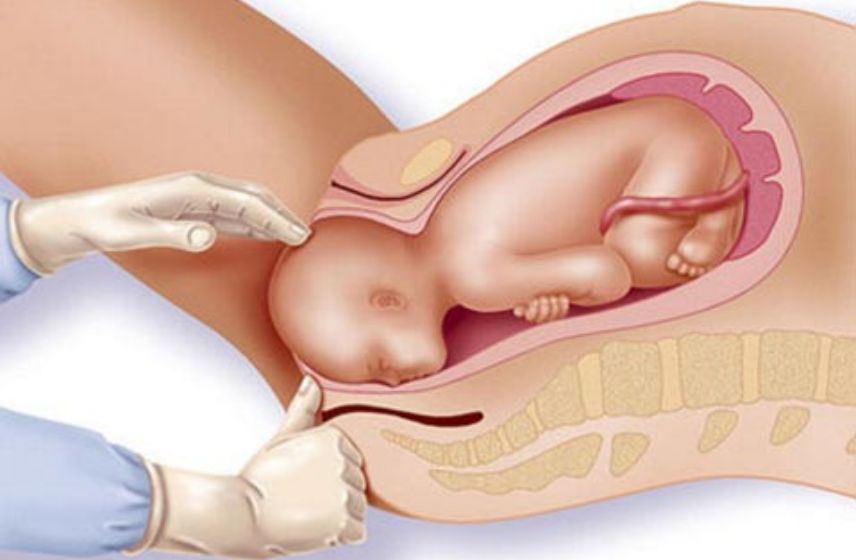
Once full dilation is achieved, the pushing phase begins—one of the most physically demanding but rewarding parts of childbirth. Guided breathing, emotional encouragement, and expert supervision help mothers push effectively, moving the baby through the birth canal.
As the baby’s head begins to crown, the tissues of the vaginal opening and perineum stretch to accommodate the delivery. Some mothers experience a burning or stinging sensation known as the “ring of fire.”
To prevent tearing, Dr Shruti Patil may guide the baby’s head gently or perform a small, controlled incision called an episiotomy, only when medically necessary. Once the baby’s head and shoulders are out, the rest of the body follows quickly—marking the beautiful and emotional moment of birth.
After the Baby Is Born
Following delivery, attention turns to the placenta, which nourished the baby throughout pregnancy. Mild contractions help the placenta detach naturally within 10–30 minutes. Dr Shruti Patil and her team carefully monitor the mother for bleeding and ensure the uterus contracts properly to prevent postpartum complications.
Skin-to-skin contact is encouraged immediately after birth. This intimate connection helps regulate the newborn’s temperature and breathing, enhances bonding, and supports early breastfeeding.
Dr Patil’s nursing team provides detailed instructions on post-delivery care, breastfeeding positions, and newborn hygiene before discharge, ensuring new mothers feel confident as they begin their parenting journey.
Vagina After Giving Birth: What to Expect
Many women have questions about how the vagina after giving birth changes. It’s natural to experience soreness, swelling, and minor stretching after vaginal delivery. Over time, the tissues heal, and muscle tone gradually returns with rest and pelvic floor exercises like Kegels.
Dr Shruti Patil reassures new mothers that the body’s recovery is gradual but complete. Maintaining good hygiene, proper hydration, and gentle physical activity supports faster healing. Her clinic also provides postnatal consultations to monitor recovery and address concerns about vaginal health, intimacy, or discomfort after delivery.
Advantages Of Vaginal Delivery
Choosing a vaginal delivery offers several important benefits for both mother and baby:
- Faster recovery: Most mothers can return home within 24–48 hours and resume light activities sooner.
- Lower infection risk: No surgical incision means fewer complications.
- Enhanced bonding: Natural hormones like oxytocin promote emotional connection and encourage breastfeeding.
- Better baby health: Passage through the birth canal helps clear fluid from the baby’s lungs, improving respiratory adaptation.
- Natural hormonal balance: Labor hormones trigger positive emotional and physiological responses, helping mothers adjust to postpartum life more easily.
At Dr Shruti Patil’s clinic, mothers receive evidence-based, personalized care that prioritizes both physical well-being and emotional confidence throughout childbirth normal delivery.
Why Choose Dr Shruti Patil’s Clinic For Vaginal Delivery
FAQ's Of Vaginal Delivery
1. What is the difference between normal delivery and vaginal delivery?
There is no major difference — both refer to the natural birth of a baby through the vaginal canal without major surgical intervention. Dr Shruti Patil specializes in guiding mothers safely through this natural birthing process.
2. How can I prepare for a normal vaginal delivery?
Preparation includes regular antenatal check-ups, prenatal exercises, a healthy diet, and mental relaxation. At Dr Shruti Patil’s Gynecology and Maternity Clinic in Pune, mothers receive personalized birth plans and guidance to prepare for a smooth delivery.
3. Is vaginal delivery safe for first-time mothers?
Yes. Vaginal delivery is safe for most women, including first-time mothers, when monitored by an experienced gynecologist like Dr Shruti Patil. She ensures continuous supervision and immediate medical support throughout labor.
4. How long does it take to recover after a normal delivery?
Recovery after a normal delivery is usually faster than a cesarean section. Most mothers feel better within a few days and can return home within 24–48 hours. Dr Shruti Patil provides postnatal care tips and follow-ups to support quick healing.
5. Why should I choose Dr Shruti Patil for normal delivery in Pune?
Dr Shruti Patil is one of the best gynecologists in Pune, known for her expertise in normal and high-risk deliveries. Her clinic offers compassionate care, modern facilities, and a supportive environment that empowers mothers through every stage of childbirth.