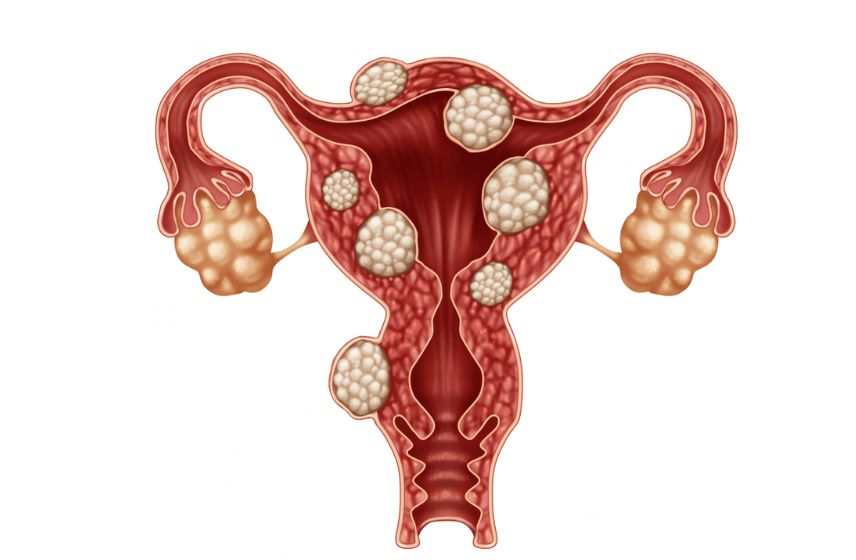
Understanding Fibroids: Causes, Symptoms, And Advanced Treatment Options With Dr Shruti Patil In Pune
Fibroids, also known as uterine leiomyomas, are non-cancerous growths that develop within or on the uterus. They are one of the most common gynecological issues affecting women during their reproductive years. While fibroids are typically benign, they can sometimes lead to heavy menstrual bleeding, pelvic pain, or fertility complications, depending on their size and location.
At Dr Shruti Patil’s Obstetrics and Gynecology Clinic in Pune, women receive comprehensive diagnosis and individualized Fibroids Treatment. Whether you require Fibroids Without Surgery or an advanced Fibroid Operation, Dr Shruti Patil, a reputed Fibroid Specialist Doctor in Pune, provides expert care tailored to your health needs, helping you regain comfort and reproductive balance.
What Are Fibroids?
Fibroids are abnormal overgrowths of the muscle tissue of the uterus (myometrium). They can occur as single nodules or multiple clusters, varying in size from a pea to a melon. Although the exact cause is not fully understood, several risk factors influence their development:
- Genetic predisposition: Family history of fibroids increases the likelihood of developing them.
- Hormonal imbalance: Estrogen and progesterone stimulate fibroid growth.
- Obesity: Excess body fat can elevate estrogen levels.
- Early menstruation: Starting periods at a young age raises fibroid risk.
- Lifestyle factors: Diets high in red meat and low in fruits and vegetables may contribute to fibroid formation.
Fibroids are most commonly found in women between 30 and 50 years of age, and in many cases, they remain asymptomatic until discovered during a pelvic exam or ultrasound.
Types Of Fibroids
The location and growth pattern of fibroids determine their type, symptoms, and required treatment.
- Intramural Fibroids
Found within the uterine wall, these are the most common type. They can enlarge the uterus and cause heavy periods, pain, or pelvic pressure. - Subserosal Fibroids
These develop on the outer surface of the uterus, sometimes pressing against nearby organs like the bladder or rectum, leading to urinary or bowel issues. - Submucosal Fibroids
Growing just beneath the uterine lining, these fibroids can distort the uterine cavity and often cause severe menstrual bleeding or fertility problems. - Pedunculated Fibroids
Attached to the uterus by a thin stalk, these fibroids can twist, causing acute pain and pelvic pressure.
Each type may need a different approach to Fibroids Treatment, ranging from Fibroids Without Surgery to a well-planned Fibroid Operation.
Common Symptoms Of Fibroids
Symptoms vary depending on fibroid size and location. Some women may experience no symptoms, while others may face significant discomfort such as:
- Heavy or prolonged menstrual bleeding
- Painful periods and cramping
- Pelvic or lower back pain
- Pain during intercourse
- Bloating or abdominal distension
- Frequent urination or urinary retention
- Constipation or rectal pressure
- Difficulty conceiving or repeated miscarriages
If you experience any of these symptoms, it’s important to consult a Fibroid Specialist Doctor in Pune for timely diagnosis and treatment.
Diagnosis Of Fibroids
At Dr Shruti Patil’s Clinic, diagnosing fibroids involves advanced imaging and clinical evaluations for precision and accuracy.
- Pelvic Examination: To assess uterine size and irregularities.
- Ultrasound: A quick and effective imaging technique to confirm the size, number, and location of fibroids.
- MRI (Magnetic Resonance Imaging): Offers detailed visualization, especially helpful in planning a Fibroid Operation.
- Hysterosonography: Uses saline and ultrasound for clear imaging of fibroids inside the uterine cavity.
- Hysteroscopy: A small camera is inserted into the uterus for direct visualization and, in some cases, immediate removal of smaller fibroids.
Treatment Options For Fibroids
Dr Shruti Patil, a leading Fibroid Specialist Doctor in Pune, offers both non-surgical and surgical Fibroids Treatment depending on the patient’s condition, fertility goals, and severity of symptoms.
Medical (Non-Surgical) Management
For women with mild to moderate symptoms, Fibroids Without Surgery can be achieved through:
- Hormonal therapy: Oral contraceptives and progesterone therapy help regulate menstrual cycles.
- GnRH agonists: Temporarily lower hormone levels, shrinking fibroids before surgery if needed.
- Non-hormonal medications: Such as tranexamic acid or NSAIDs to manage pain and bleeding.
- Lifestyle changes: A balanced diet, exercise, and stress management improve overall outcomes.
This approach is ideal for women who wish to avoid surgery and preserve fertility.
Minimally Invasive Procedures
These techniques allow quick recovery and minimal discomfort:
- Uterine Artery Embolization (UAE): Blocks blood supply to fibroids, causing them to shrink naturally without major surgery.
- MRI-Guided Focused Ultrasound (MRGFUS): Uses ultrasound waves to precisely destroy fibroid tissue with no incisions.
Both procedures are popular Fibroids Without Surgery options for women seeking minimal downtime.
Surgical Options
When fibroids are large or severely symptomatic, surgery may be required. Dr Shruti Patil specializes in performing safe and advanced Fibroid Operations:
- Myomectomy: Removes fibroids while preserving the uterus, making it ideal for women planning pregnancies. It can be performed laparoscopically or hysteroscopically.
- Hysterectomy: In severe cases, the uterus is removed, providing a permanent solution and preventing recurrence.
Each Fibroid Operation is tailored to ensure faster healing, reduced blood loss, and optimal patient safety.
Living With and Managing Fibroids
After treatment, it’s important to maintain uterine and hormonal health.
Dr Patil recommends:
- Eating iron-rich foods to prevent anemia.
- Maintaining a healthy weight.
- Regular physical activity.
- Limiting red meat and increasing fruits, vegetables, and whole grains.
- Regular follow-ups for early detection of recurrence.
With proper management, most women lead healthy, active, and fertility-preserving lives.
- Fellowship in Reproductive Medicine (FOGSI certified)
- Advanced training in Ultrasonography and Minimally Invasive Surgery
At her clinic in Pune, women receive holistic care — from Fibroids Without Surgery to advanced Fibroid Operation — ensuring effective and long-lasting results.
CLINIC LOCATION:- Aundh ,Pune, Maharashtra
CONTACT:- +91-08042757049
FAQ's Of Fibroids
1. Can fibroids be treated without surgery?
Yes, many women successfully manage fibroids through Fibroids Without Surgery using medications, hormonal therapy, and minimally invasive techniques like UAE or MRGFUS.
2. When is a Fibroid Operation necessary?
A Fibroid Operation is required when fibroids cause heavy bleeding, severe pain, or infertility. Your doctor will recommend the most suitable procedure based on your health and reproductive goals.
3. Can fibroids affect pregnancy or fertility?
Yes, certain fibroids, especially submucosal fibroids, can impact conception or pregnancy. With proper Fibroids Treatment and timely intervention, most women can achieve healthy pregnancies.
4. Do fibroids return after treatment?
Fibroids can recur, especially after conservative treatments. Regular monitoring and lifestyle management help minimize recurrence.
5. Are fibroids cancerous?
No, fibroids are non-cancerous. However, any rapid growth or unusual symptoms should be evaluated by a Fibroid Specialist Doctor to rule out rare conditions.