Understanding Endometriosis: Causes, Symptoms, And The Best Treatment For Endometriosis
Endometriosis is a chronic, often painful condition that affects millions of women worldwide. Despite being one of the most common gynecological disorders, it remains widely misunderstood, misdiagnosed, or ignored. Recognizing its symptoms early is essential — especially for women dealing with chronic pelvic pain, irregular menstruation, or infertility issues.
If you often struggle with severe period pain and are looking for effective solutions, understanding this condition is the first step toward the best treatment for endometriosis.
What Is Endometriosis?
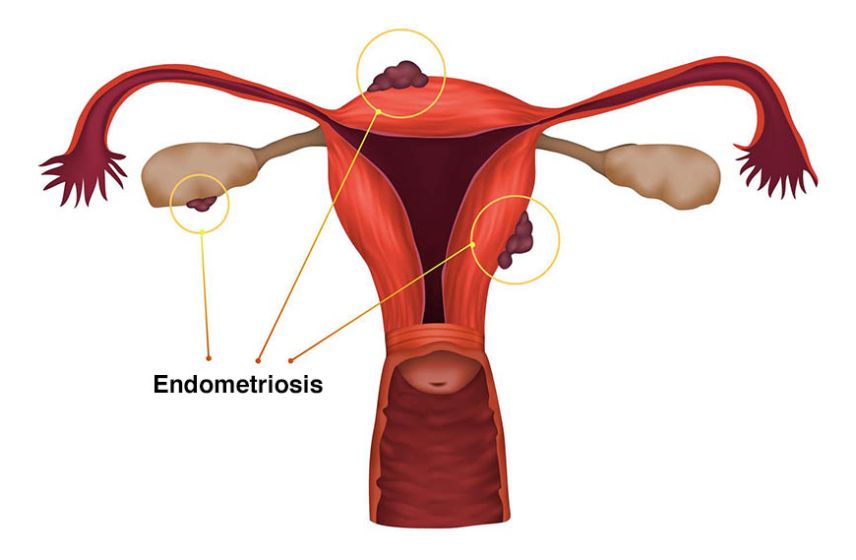
Endometriosis occurs when tissue similar to the lining of the uterus (the endometrium) grows outside the uterus. Normally, the endometrial tissue thickens, breaks down, and exits the body during menstruation. However, when this tissue grows in abnormal locations, it has no outlet — leading to inflammation, swelling, and pain.
Common sites where endometrial-like tissue may grow include:
- Ovaries
- Fallopian tubes
- The outer surface of the uterus
- Ligaments supporting the uterus
- The space between the uterus and bladder or rectum
In rare cases, the tissue may spread beyond the pelvic region, even reaching the lungs.
Because this tissue reacts to hormonal changes each month, it can cause internal bleeding, scarring, and severe menstrual cramps, making period pain treatment an essential part of managing endometriosis.
Causes Of Endometriosis
The exact cause of endometriosis remains uncertain, but several theories and risk factors have been identified:
- Retrograde Menstruation – Menstrual blood flows backward through the fallopian tubes into the pelvic cavity instead of leaving the body.
- Genetic Factors – Women with a family history of endometriosis are more likely to develop it.
- Immune System Dysfunction – A weakened immune system may fail to destroy misplaced endometrial cells.
- Hormonal Imbalance – Elevated estrogen levels may stimulate excessive tissue growth.
- Surgical Scars or Cell Transformation – After surgeries like C-sections, endometrial cells can attach to incisions and start growing abnormally.
While research continues, these factors collectively explain why some women are more prone to developing the disease.
Symptoms Of Endometriosis
Symptoms vary in severity from woman to woman. Some experience mild discomfort, while others suffer from intense pain that disrupts daily life. Common symptoms include:
- Severe period pain (dysmenorrhea) that doesn’t respond to regular painkillers
- Chronic pelvic or lower back pain
- Heavy or prolonged menstrual bleeding
- Pain during intercourse
- Painful bowel movements or urination during periods
- Nausea, vomiting, or fatigue
- Infertility or difficulty conceiving
- Spotting between menstrual cycles
It’s important to note that pain severity does not always match the extent of disease. Even minimal lesions can cause severe pain for some women.
Diagnosis Of Endometriosis
Diagnosing endometriosis can be challenging because its symptoms often overlap with other conditions like ovarian cysts or pelvic inflammatory disease.
The diagnostic process usually includes:
- Detailed medical history and symptom evaluation
- Pelvic examination to check for cysts or tenderness
- Ultrasound or MRI scans to detect abnormalities
- Laparoscopy – a minimally invasive surgical procedure that allows direct visualization and sometimes removal of endometrial tissue.
Laparoscopy is considered the gold standard for diagnosis and also serves as a treatment option in many cases.
Treatment Options: Finding The Best Treatment For Endometriosis
Although there is no permanent cure, there are multiple treatment options that can effectively control symptoms, manage pain, and preserve fertility. Choosing the best treatment for endometriosis depends on symptom severity, age, and whether the woman wishes to conceive.
Pain Management
Nonsteroidal Anti-Inflammatory Drugs (NSAIDs)
Over-the-counter medications such as ibuprofen or prescription anti-inflammatory drugs are often the first line of defense. They help reduce inflammation and provide temporary relief from period pain, making them a crucial part of period pain treatment plans.
Hormonal Therapy
Hormonal therapy helps regulate or suppress the menstrual cycle, preventing further growth of endometrial tissue.
Common options include:
- Hormonal Birth Control – Pills, patches, or vaginal rings reduce bleeding and cramping.
- Progestin Therapy – Injections or hormonal IUDs (e.g., Depo-Provera, Mirena) help suppress tissue growth.
- Gonadotropin-Releasing Hormone (GnRH) Agonists/Antagonists – These medications lower estrogen levels, mimicking temporary menopause to control symptoms.
- Danazol – A less common option due to side effects but effective in reducing tissue growth.
These hormonal approaches are among the best treatments for endometriosis in women not planning immediate pregnancy.
Surgical Treatments
Surgery is often recommended when medications don’t work or when endometriosis affects fertility.
- Laparoscopy: Minimally invasive surgery to remove endometrial implants, adhesions, or cysts while preserving reproductive organs.
- Laparotomy or Hysterectomy: In severe cases, open surgery or removal of the uterus and ovaries may be considered as a last resort.
Surgical management, when done by an experienced gynecologic surgeon, provides long-term relief and improves the chances of conception.
Lifestyle and Supportive Therapies
Adopting a healthy lifestyle can significantly improve endometriosis symptoms.
- Diet & Nutrition: Anti-inflammatory foods (leafy greens, omega-3-rich fish, turmeric) may reduce pain.
- Regular Exercise: Enhances blood flow and reduces estrogen levels naturally.
- Pelvic Floor Therapy: Helps relax muscles and improve pelvic function.
- Stress Management: Yoga, meditation, and counselling can help manage the emotional strain of chronic pain.
Integrating lifestyle changes with medical treatment often results in better outcomes and improved quality of life.
Endometriosis And Fertility
Endometriosis can cause scarring and blockages in the fallopian tubes or around the ovaries, making conception difficult. However, many women with endometriosis conceive successfully, either naturally or with assisted reproductive techniques like IVF (In Vitro Fertilization).
With proper management and early intervention, fertility outcomes can be significantly improved, highlighting the importance of timely diagnosis and individualized treatment.
Prognosis And Outlook
Endometriosis is a long-term condition, but it can be effectively managed with consistent care. Symptoms often improve after menopause when estrogen levels drop. Early diagnosis, appropriate medical care, and a supportive lifestyle can help women live healthy, active lives despite the condition.
Why Choose Dr Shruti Patil For Endometriosis Treatment In Pune
At Dr Shruti Patil’s Advanced Gynecology & Infertility Clinic, women receive expert, compassionate, and comprehensive care for endometriosis management. With years of experience in treating complex gynecological conditions, Dr Patil focuses on accurate diagnosis, personalized treatment plans, and fertility-preserving options.
Her approach combines medical therapy, minimally invasive laparoscopic surgery, and holistic lifestyle guidance to ensure long-term relief from pain and improved reproductive health. Supported by advanced technology and a patient-centered environment, Dr Shruti Patil is recognized as one of the best doctors for endometriosis treatment in Pune, trusted by women for effective and lasting results.
CLINIC LOCATION:- Aundh, Pune, Maharashtra
CONTACT:- 08042757049
FAQ's Of Endometriosis
1. Can endometriosis be cured permanently?
Currently, there is no complete cure for endometriosis. However, medications, hormonal therapy, and surgery can control symptoms and improve quality of life.
2. What is the best treatment for endometriosis pain?
The best treatment for endometriosis varies by individual. Pain relief medications, hormonal therapy, and laparoscopic surgery are the most effective approaches. Combining medical and lifestyle treatments gives the best long-term results.
3. Can endometriosis cause infertility?
Yes. Endometriosis can damage the ovaries or block the fallopian tubes, affecting fertility. However, many women conceive successfully with medical or IVF assistance.
4. What are natural remedies for period pain due to endometriosis?
Mild exercise, anti-inflammatory diets, heat therapy, and relaxation techniques can support medical period pain treatment and reduce discomfort during menstruation.
5. Is surgery always needed for endometriosis?
No. Surgery is recommended only when medications fail or fertility is affected. Many women manage their symptoms effectively through non-surgical therapies and hormone control.