Laparoscopy: The Modern Approach To Minimally Invasive Surgery
Laparoscopy, also known as keyhole surgery, is a revolutionary surgical technique that allows doctors to access the abdominal and pelvic areas with minimal incisions. Unlike traditional open surgeries that require large cuts, Laparoscopic Surgery uses tiny openings, a camera, and specialized instruments to diagnose or treat various medical conditions with greater precision and faster recovery.
This advanced technique has transformed modern surgery, offering patients quicker healing, reduced pain, and smaller scars — making it a preferred choice for many gynecological and general surgical procedures.
What is Laparoscopy?
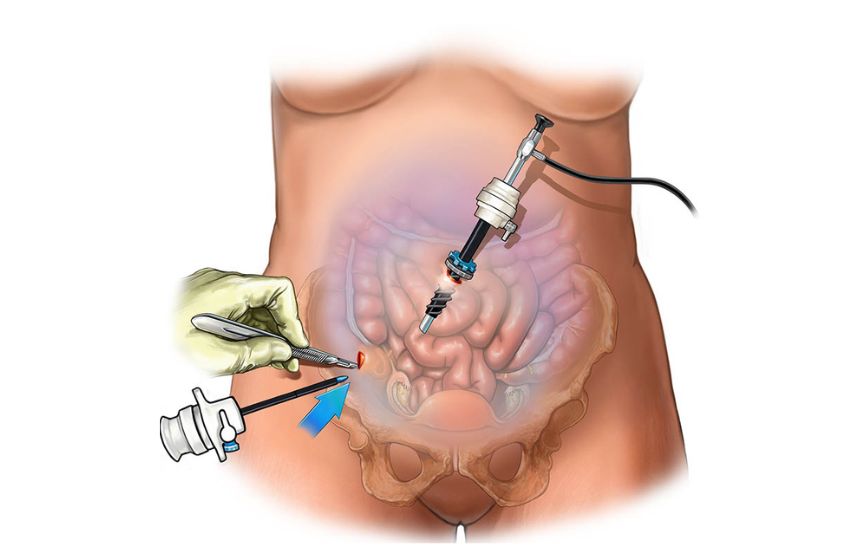
Laparoscopy is a type of minimally invasive surgery performed under general anesthesia. The procedure involves making small incisions, typically 0.5 to 1.5 cm in size, through which a laparoscope — a thin tube with a high-definition camera and light — is inserted. The laparoscope transmits detailed, real-time images of the abdominal or pelvic organs onto a monitor, allowing the surgeon to perform the procedure with enhanced visibility and control.
Additional small incisions may be made to insert surgical tools used for tasks such as removing cysts, taking biopsies, or repairing organs. During the procedure, carbon dioxide gas is used to gently inflate the abdomen, creating space for the surgeon to operate safely and effectively.
Because of its minimally invasive nature, Laparoscopic Surgery offers patients numerous benefits, such as less postoperative pain, shorter hospital stays, minimal scarring, and a faster return to daily life.
When Is Laparoscopy Used?
Laparoscopy can be performed for diagnostic (to find the cause of symptoms) or therapeutic (to treat medical issues) purposes. It is widely used in both gynecology and general surgery.
Common Gynecological Uses
- Evaluation of heavy or painful periods: To identify fibroids, adenomyosis, or endometriosis.
- Diagnosis and treatment of endometriosis: To remove abnormal tissue growth outside the uterus.
- Ovarian cyst removal: Extraction of painful or large cysts that affect fertility or comfort.
- Treatment of ectopic pregnancy: Removal of pregnancies that develop outside the uterus.
- Infertility evaluation: Detecting blockages in fallopian tubes or pelvic adhesions.
- Hysterectomy or tubal surgery: Removing the uterus or fallopian tubes when necessary.
Common General Surgical Uses
- Gallbladder removal (Cholecystectomy): For treating gallstones or gallbladder inflammation.
- Appendectomy: Removal of an inflamed appendix.
- Tumour removal: To excise benign or malignant tumours in the abdomen or pelvis.
- Intestinal surgery: For bowel obstruction or other gastrointestinal conditions.
- Exploratory laparoscopy: When non-invasive imaging fails to determine the cause of chronic pain.
If you’re searching for the best Laparoscopy Centre Near Me, choose one that offers both diagnostic and advanced surgical laparoscopy with modern equipment and expert surgeons.
Benefits Of Laparoscopic Surgery
Compared to traditional open surgery, Laparoscopic Surgery offers a range of advantages for patients and surgeons alike:
-
Smaller Incisions
Minimal trauma to the body
Better cosmetic appearance with less visible scarring
-
Less Pain & Faster Recovery
Patients usually experience mild discomfort post-surgery
Many procedures are done as day-care surgeries
Faster return to work and routine activities
-
Reduced Risk of Infection
Smaller incisions mean lower chances of wound infections
-
Shorter Hospital Stay
Most patients go home the same day or within 24–48 hours
-
Lower Need for Pain Medication
Less tissue damage reduces the requirement for strong painkillers
-
Early Resumption of Normal Activities
Patients can eat, walk, and move comfortably within hours after surgery
These advantages make Laparoscopic Surgery the preferred choice for most abdominal and pelvic procedures today.
Risks And Considerations
While laparoscopy is generally safe and effective, as with any surgery, it carries certain risks. These may include:
- Bleeding or infection at incision sites
- Injury to internal organs like the bladder, intestines, or blood vessels
- Reaction to anesthesia
- Gas-related discomfort post-surgery (temporary)
- Rarely, hernia formation at incision points
Selecting an experienced surgeon and a reputed Laparoscopy Centre Near Me helps minimize these risks and ensures a smooth procedure.
Preparing For A Laparoscopic Procedure
Preparation plays a crucial role in ensuring a successful laparoscopy. Patients are advised to:
-
Fasting Before Surgery
Avoid food and drinks for 6–8 hours before surgery to reduce anesthesia-related complications.
-
Medication Adjustments
Inform your doctor about all medications and supplements.
Blood thinners or certain medications may need to be paused temporarily.
-
Preoperative Testing
Routine blood work, ECG, and imaging tests may be recommended.
-
Lifestyle Adjustments
Avoid alcohol and smoking before the procedure.
Arrange for someone to accompany you home after the surgery.
Recovery After Laparoscopy
Recovery from Laparoscopic Surgery is generally quick and comfortable compared to traditional surgery. However, the exact recovery period depends on the type and complexity of the procedure.
- Hospital Stay: Most patients are discharged within 24 hours.
- Pain Management: Mild to moderate pain at incision sites can be managed with simple analgesics.
- Activity: Walking is encouraged soon after surgery to prevent blood clots.
- Diet: Start with light meals and gradually resume your regular diet as tolerated.
- Follow-up: Post-operative checkups help ensure proper healing and prevent complications.
Most patients can return to normal activities or work within a week, depending on their surgeon’s advice.
Why Choose Dr Shruti Patil for Laparoscopic Surgery In Pune
At Dr Shruti Patil’s Obstetrics and Gynecology Clinic, patients receive the advantage of modern, minimally invasive laparoscopic surgery performed with precision, safety, and care. With extensive surgical experience and advanced equipment, Dr. Patil ensures accurate diagnosis, smaller incisions, and faster recovery for every patient.
Her expertise in both diagnostic and advanced laparoscopic procedures helps treat complex gynecological conditions such as fibroids, cysts, endometriosis, and infertility with minimal pain and scarring. Each treatment plan is customized to the patient’s needs, ensuring effective outcomes with minimal downtime.
The clinic’s patient-centered approach, modern facilities, and compassionate post-operative care make it one of the most trusted centers for laparoscopic surgery in Pune, helping women return to their daily lives with comfort and confidence.
CLINIC LOCATION:- Aundh Pune, Maharashtra
CONTACT:- +91 08042757049
SERVICES:- Laparoscopic Surgery | Gynecology | Fertility | Obstetrics
Dr Patil’s patient-centered approach ensures comfort, safety, and confidence throughout the treatment journey.
FAQ's Of Laparoscopy
1. What is laparoscopic (minimally invasive) surgery?
Laparoscopic surgery uses small incisions, a camera, and specialized tools to perform surgical procedures within the abdomen or pelvis — reducing pain, scarring, and recovery time.
2. What are the main benefits of laparoscopy?
It offers faster recovery, minimal pain, smaller scars, reduced infection risk, and shorter hospital stays compared to open surgery.
3. Are there any risks involved?
Though rare, possible risks include bleeding, infection, or injury to internal organs. Choosing an experienced surgeon helps minimize these risks.
4. Can laparoscopy help diagnose infertility?
Yes. Laparoscopy can detect blocked fallopian tubes, endometriosis, or pelvic adhesions — common causes of infertility.
5. How long is recovery after a laparoscopic procedure?
Most patients recover within one to two weeks, depending on the type of surgery. Many can return to normal activities within a few days.