Managing PCOD Effectively: Diet, Lifestyle, And Expert Care With Dr Shruti Patil In Pune
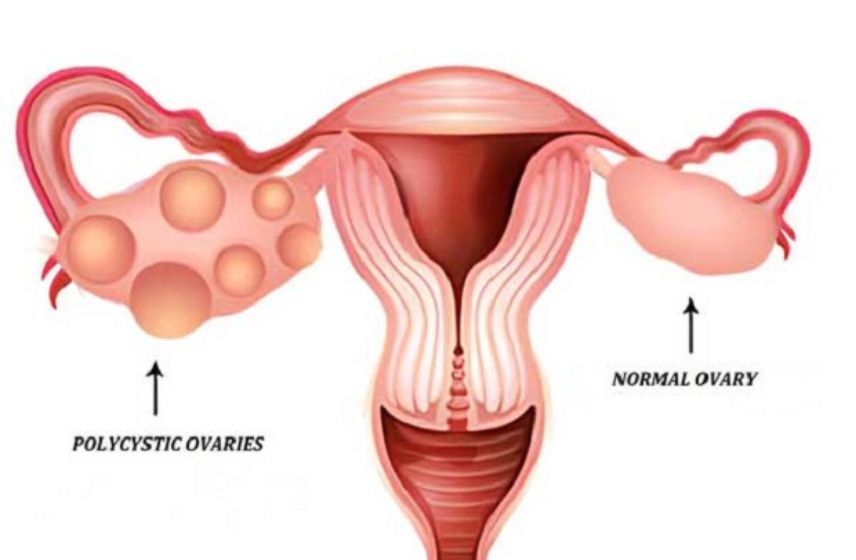
Polycystic Ovarian Disease (PCOD) — often used interchangeably with Polycystic Ovary Syndrome (PCOS) — is one of the most common hormonal disorders among women of reproductive age. It occurs due to an imbalance in reproductive hormones, leading to irregular menstrual cycles, cyst formation on the ovaries, difficulty conceiving, and various metabolic concerns such as insulin resistance and weight gain.
At Dr Shruti Patil’s Advanced Infertility & Gynecology Clinic in Pune, women receive personalized and comprehensive care for PCOD Treatment, including Irregular Periods Treatment, hormonal balance management, and fertility restoration.
What Is PCOD/PCOS?
In PCOD or PCOS, the ovaries produce an excess of androgens (male hormones), which interferes with the regular release of eggs during ovulation. This hormonal imbalance leads to several noticeable symptoms such as:
- Irregular or absent menstrual periods
- Formation of multiple small cysts on the ovaries
- Difficulty in ovulation and conception
- Weight gain and insulin resistance
- Acne, excessive facial hair (hirsutism), or hair thinning
Many women remain unaware of PCOD until they face challenges such as irregular periods or difficulty conceiving. Early diagnosis and proper management under a PCOD Specialist Doctor Near Me can prevent long-term health complications and improve quality of life.
Lifestyle Factors Contributing To PCOD
Modern lifestyle habits are major contributors to the increasing prevalence of PCOD. Stressful work schedules, sedentary routines, late-night sleep cycles, and poor dietary habits all contribute to hormonal imbalances.
Frequent consumption of processed foods, refined carbohydrates, sugary beverages, caffeine, and alcohol can further worsen PCOD symptoms. Even social habits such as frequent dining out, lack of physical activity, or emotional stress play a significant role in aggravating hormonal irregularities.
Addressing these root lifestyle causes is crucial for long-term and effective PCOD Treatment.
Daily Lifestyle Modifications For PCOD Management
Managing PCOD requires consistency and discipline rather than quick fixes. The focus should be on adopting habits that naturally regulate hormones, support weight loss, and improve fertility.
-
Regular Exercise
Engage in 30–45 minutes of moderate physical activity daily.
Activities like brisk walking, swimming, cycling, yoga, or Zumba improve insulin sensitivity.
Include strength training exercises 2–3 times a week to reduce belly fat and balance hormones.
-
Stress Management
Chronic stress triggers hormonal imbalances that worsen PCOD symptoms.
Practice meditation, deep breathing, journaling, or participate in counselling sessions if emotional stress is a concern.
A calm and stable emotional state supports better hormonal regulation.
-
Adequate Sleep
Sleep is vital for hormonal repair and balance. Aim for 7–8 hours of quality sleep nightly.
Avoid caffeine post-evening, limit screen time, and maintain consistent sleep timings.
-
Weight Management
Even a 5–10% reduction in body weight can help restore ovulation and regulate menstrual cycles.
Combine exercise with a PCOD Diet Chart for Weight Loss to achieve sustainable results.
PCOD Diet Chart For Weight Loss
Diet plays a crucial role in controlling PCOD symptoms and promoting hormonal balance. A properly designed PCOD Diet Chart for Weight Loss helps stabilize blood sugar, improve insulin sensitivity, and reduce inflammation.
Foods to Include
- Whole Grains: Brown rice, quinoa, oats, and millets for steady energy release.
- Lean Proteins: Eggs, chicken, fish, paneer, lentils, and tofu for muscle support.
- Healthy Fats: Avocados, olive oil, nuts, flaxseeds, and walnuts to aid hormonal regulation.
- High-Fiber Fruits & Vegetables: Apples, berries, spinach, broccoli, and beans to improve digestion and control insulin spikes.
Foods to Limit or Avoid
- Refined Carbohydrates: White bread, pasta, sweets, and bakery products.
- Processed Foods: Fried snacks, packaged items, and ready-to-eat meals.
- Excess Dairy & Fatty Meats: These may raise androgen levels in sensitive individuals.
- Caffeine & Alcohol: Both can disrupt hormonal balance and worsen sleep quality.
Dietary Tips
- Eat small, frequent meals throughout the day to stabilize blood sugar.
- Include protein and fiber in every meal.
- Drink 2–3 liters of water daily to stay hydrated.
- Avoid skipping meals or following crash diets.
A customized PCOD Diet Plan created by a nutritionist or PCOD Specialist Doctor Near Me ensures effective and long-term results.
Treatment Options For PCOD
Effective PCOD Treatment depends on symptoms, age, and fertility goals. At Dr Shruti Patil’s Clinic in Pune, treatment is personalized, combining lifestyle changes, medical therapy, and advanced care.
Lifestyle Modifications
The first and most effective approach to managing PCOD involves consistent lifestyle changes — regular exercise, stress control, and balanced nutrition. These naturally regulate hormones and reduce insulin resistance.
Medications
- Hormonal Therapy: Birth control pills help regulate menstrual cycles and control androgen levels.
- Metformin: Improves insulin sensitivity and lowers blood sugar levels.
- Fertility Medicines: Drugs like clomiphene or letrozole are prescribed to induce ovulation for women planning pregnancy.
Surgical Options
When lifestyle and medications are ineffective, Laparoscopic Ovarian Drilling (LOD) may be recommended. It’s a minimally invasive surgery that helps restore ovulation by reducing androgen-producing tissue. Surgery is used only when absolutely necessary.
Regular Monitoring
Women with PCOD should undergo routine check-ups to monitor blood sugar, cholesterol, hormone levels, and ovarian condition via ultrasound. Early detection ensures better outcomes and prevents complications.
Long-Term Health Risks Of Untreated PCOD
Ignoring PCOD symptoms can lead to serious long-term health complications, such as:
- Type 2 Diabetes and insulin resistance
- Heart disease and high cholesterol
- Infertility and pregnancy-related issues
- Endometrial hyperplasia or uterine cancer
- Obesity and metabolic syndrome
Early intervention and consistent management with the guidance of a PCOD Specialist Doctor Near Me can help prevent these risks effectively.
Why Choose Dr Shruti Patil For PCOD Treatment In Pune
At Dr Shruti Patil’s Advanced Infertility & Gynecology Clinic, every woman receives personalized and holistic care for effective PCOD management. Dr Patil focuses on identifying the root cause of hormonal imbalance and creating customized plans that combine diet, lifestyle changes, and medical treatment for long-lasting results.
With years of experience in treating complex hormonal and fertility issues, Dr Patil offers compassionate support, advanced diagnostic tools, and evidence-based therapies to help women restore hormonal balance, improve fertility, and enhance overall well-being. Her patient-centered approach and proven success make her one of the best PCOD specialists in Pune trusted by women for lasting results.
Qualifications & Expertise:
- MBBS and DGO from Seth G.S. Medical College & KEM Hospital, Mumbai
- Fellowship in Reproductive Medicine (FOGSI Certified)
- Specialized training in Ultrasonography and Advanced Fertility Care
Her clinic offers complete PCOD Treatment in Pune, including lifestyle-based management, fertility counselling, and advanced therapies.
CLINIC LOCATION:- Aundh, Pune, Maharashtra
CONTACT:- +91-08042757049
FAQ's Of PCOD
1. What is the difference between PCOD and PCOS?
PCOD involves multiple cysts in the ovaries, while PCOS includes broader hormonal, metabolic, and reproductive complications.
2. Can PCOD affect fertility?
Yes, PCOD can interfere with ovulation, making conception difficult. However, with lifestyle changes, a PCOD Diet Chart for Weight Loss, and proper medical care, fertility can be restored.
3. Which diet works best for PCOD?
A balanced PCOD diet rich in high-fiber foods, lean proteins, and healthy fats — while avoiding sugar and refined carbs — is ideal for weight loss and hormone regulation.
4. How does stress impact PCOD?
Stress increases cortisol and insulin levels, worsening hormonal imbalance. Yoga, meditation, and mindfulness practices can help alleviate this.
5. When should I visit a PCOD Specialist Doctor Near Me?
If you experience irregular periods, sudden weight gain, acne, hair loss, or fertility issues, consult a PCOD Specialist Doctor Near Me for diagnosis and personalized treatment.