Understanding Thyroid Gland Issues And Essential Tests For Thyroid Health
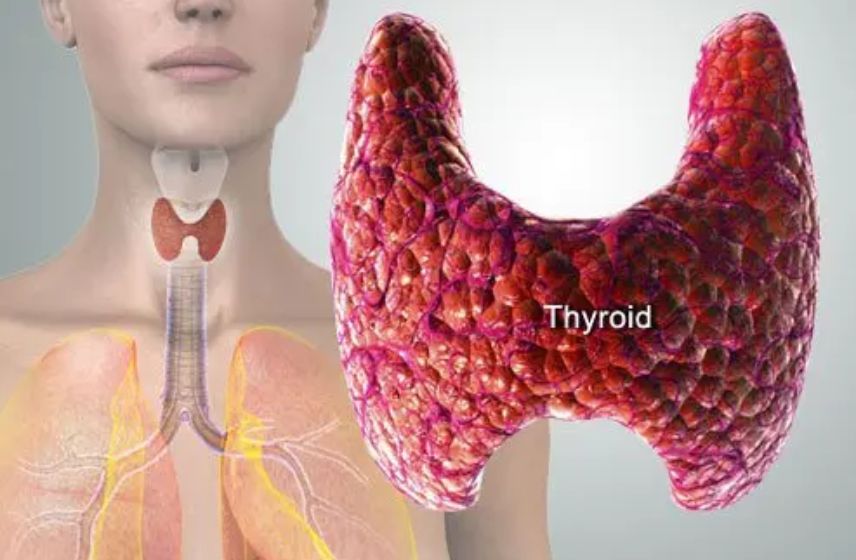
The thyroid gland, a small butterfly-shaped organ located in the front of the neck, plays a vital role in regulating metabolism, energy, and growth. Despite its size, it influences nearly every system in the body — from your heart rate and digestion to body temperature and energy levels. When the thyroid doesn’t function properly, it can lead to a range of thyroid gland issues, affecting overall health, mood, and even pregnancy outcomes.
This article explores what the thyroid gland does, common disorders, their causes, and the most important tests for thyroid function and diagnosis.
What Is The Thyroid Gland?
The thyroid gland sits just below the Adam’s apple, wrapping around the windpipe (trachea). It has two lobes connected by a thin tissue called the isthmus. This gland uses iodine from the food we eat to produce two essential hormones:
- Thyroxine (T4) – The main hormone secreted by the gland.
- Triiodothyronine (T3) – The active hormone that regulates metabolism and energy in body tissues.
These hormones influence nearly every organ system, ensuring proper growth, brain development, heart rate, and energy balance. Any imbalance in thyroid hormone levels can result in thyroid gland issues such as hypothyroidism, hyperthyroidism, or structural abnormalities like nodules and goitre.
Common Thyroid Gland Issues
Hypothyroidism (Underactive Thyroid)
Hypothyroidism occurs when the thyroid gland doesn’t produce enough hormones. This slows down metabolism and causes a range of symptoms such as:
- Persistent fatigue and weakness
- Weight gain despite a normal diet
- Constipation
- Dry skin, hair loss, or brittle nails
- Facial puffiness and bloating
- Muscle stiffness or pain
- Low heart rate and sluggishness
- Difficulty concentrating or memory issues
Hypothyroidism During Pregnancy
Untreated hypothyroidism can have serious effects on pregnancy, including:
- Miscarriage or abortion
- Preterm delivery
- Preeclampsia (high blood pressure)
- Growth and developmental issues in the baby
- Anemia in the mother
- Neurological complications in newborns
Tests for thyroid function are crucial before and during pregnancy to ensure safe hormone levels. If hypothyroidism is detected, it can be effectively managed with thyroid hormone replacement (levothyroxine) and regular monitoring.
Hyperthyroidism (Overactive Thyroid)
Hyperthyroidism occurs when the gland produces excess hormones, accelerating metabolism. It may also cause goitre (thyroid enlargement). Symptoms often include:
- Rapid or irregular heartbeat
- Weight loss despite normal appetite
- Nervousness, anxiety, or irritability
- Difficulty sleeping (insomnia)
- Tremors or shaky hands
- Excessive sweating and heat intolerance
- Thinning hair and brittle nails
Hyperthyroidism during pregnancy can lead to preterm birth, low birth weight, and maternal heart complications. Treatment options may include antithyroid medications, beta-blockers, or surgery in severe cases.
Thyroid Nodules and Structural Abnormalities
Thyroid nodules are lumps or growths within the gland. Most are harmless, but they may sometimes:
- Produce excess thyroid hormones (toxic nodules)
- Grow large enough to cause difficulty swallowing or breathing
- Rarely, turn cancerous
Tests for thyroid structure, such as ultrasound and fine-needle aspiration (FNA), help determine whether nodules are benign or require surgical removal.
Causes Of Thyroid Gland Issues
Several factors can contribute to thyroid disorders, including:
- Autoimmune Diseases – Hashimoto’s thyroiditis (causing hypothyroidism) and Graves’ disease (causing hyperthyroidism).
- Iodine Imbalance – Both deficiency and excess iodine intake can affect hormone production.
- Genetic Factors – Family history increases susceptibility to thyroid problems.
- Hormonal Changes – Pregnancy, menopause, or puberty may trigger thyroid imbalances.
- Medications and Radiation Exposure – Certain drugs or therapies can interfere with thyroid function.
Important Tests For Thyroid Function
Accurate diagnosis of thyroid gland issues relies on specific medical evaluations. The most common tests for thyroid include:
- TSH (Thyroid-Stimulating Hormone) Test –
Measures how well the thyroid responds to pituitary signals. High TSH suggests hypothyroidism, while low TSH indicates hyperthyroidism. - T3 and T4 Tests –
Evaluate levels of active thyroid hormones. Low levels confirm hypothyroidism, and high levels confirm hyperthyroidism. - Thyroid Antibody Tests –
Detect autoimmune thyroid conditions like Hashimoto’s or Graves’ disease. - Thyroid Ultrasound –
A non-invasive imaging test to examine nodules, cysts, or structural changes in the gland. - Fine-Needle Aspiration (FNA) Biopsy –
Used for suspicious nodules to rule out thyroid cancer. - Radioactive Iodine Uptake (RAIU) Test –
Assesses how much iodine the thyroid absorbs, useful for diagnosing hyperthyroidism or nodules.
These tests for thyroid are essential for understanding whether the gland’s issues are hormonal or structural, allowing doctors to design a personalized treatment plan.
Diagnosis And Treatment Options
Diagnosis
Doctors typically combine hormone blood tests, imaging, and physical examinations to determine the cause and extent of thyroid gland issues. In pregnancy, specific thyroid panels help track maternal and fetal health.
Treatment
Treatment depends on the underlying disorder:
- Hypothyroidism – Managed through lifelong hormone replacement therapy (levothyroxine).
- Hyperthyroidism – Controlled with antithyroid drugs, beta-blockers, radioactive iodine therapy, or surgery.
- Thyroid Nodules – Monitored with ultrasound or removed if symptomatic or malignant.
- Lifestyle Modifications – Include stress management, adequate sleep, and balanced iodine intake.
Preventing Thyroid Gland Issues
Prevention is possible with awareness and proactive testing. Follow these tips:
- Eat a balanced diet with proper iodine levels (avoid excess).
- Get regular tests for thyroid, especially if you have symptoms or a family history.
- Avoid self-medicating with iodine supplements.
- Monitor thyroid levels before and during pregnancy.
- Maintain an active lifestyle and reduce stress.
CONTACT:- 08042757049
FAQ's Of Thyroid Disorders
1. What is the difference between hypothyroidism and hyperthyroidism?
Hypothyroidism is when the thyroid produces too little hormone, causing fatigue, weight gain, and sluggishness. Hyperthyroidism is the overproduction of thyroid hormones, leading to weight loss, anxiety, and rapid heartbeat.
2. How do thyroid disorders affect pregnancy?
Untreated thyroid disorders can lead to abortion, preterm labor, preeclampsia, growth problems in babies, and neurological issues. Regular testing and treatment are essential.
3. What are the early signs of thyroid problems?
Common symptoms include fatigue, mood changes, weight fluctuations, constipation or diarrhea, and swelling in the neck (goitre). If these persist, consult a doctor for thyroid tests
4. Can thyroid nodules be cancerous?
Most nodules are benign, but some may be malignant. Thyroid ultrasound and FNA biopsy help identify cancerous nodules early for prompt treatment.
5. Are thyroid problems permanent?
Not always. Some thyroid gland issues resolve with medication or lifestyle changes, while others (like hypothyroidism) may require lifelong hormone therapy. Regular follow-ups and testing are essential for control.