Understanding Hysterectomy: Procedure, Types, Recovery & Long-Term Health
A Hysterectomy is a surgical procedure that involves the removal of the uterus. It is one of the most commonly performed gynecological surgeries worldwide and is often recommended for women experiencing chronic pelvic pain, abnormal bleeding, fibroids, or other uterine disorders. The Hysterectomy Operation can significantly improve quality of life by providing relief from symptoms that don’t respond to medication or conservative treatments.
Before undergoing this procedure, it is essential to understand the different types of hysterectomy, possible risks, recovery process, and hormonal or emotional effects to make an informed decision.
Types Of Hysterectomy
Depending on which organs are removed, a hysterectomy can be categorized into different types:
- Partial Hysterectomy: Removes only the uterus while keeping the cervix intact.
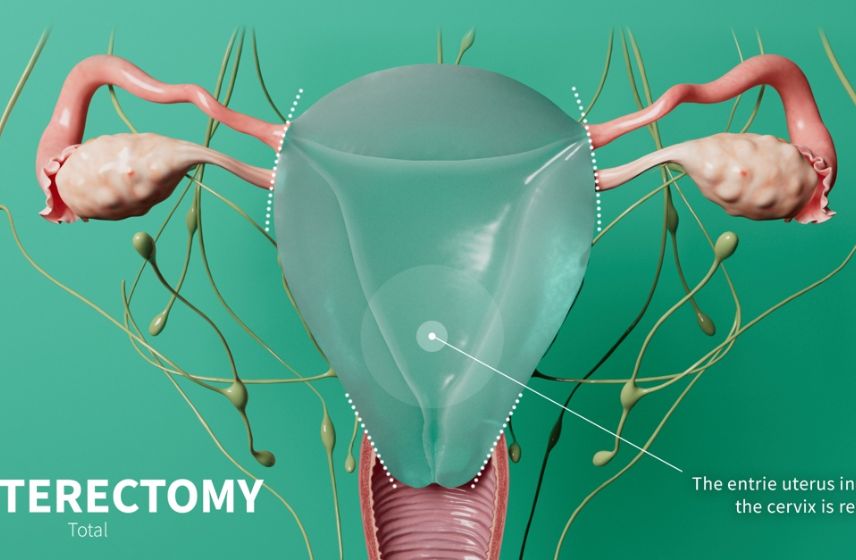
- Total Hysterectomy: Removes both the uterus and the cervix.
- Total Hysterectomy with Bilateral Salpingectomy: Removes the uterus, cervix, and one or both ovaries along with the fallopian tubes.
Each type of hysterectomy is chosen based on the underlying medical condition, patient’s age, and reproductive preferences.
Surgical Approaches For Hysterectomy Operation
The Hysterectomy Operation can be performed through various surgical approaches depending on the diagnosis and anatomy of the patient:
- Abdominal Hysterectomy: The uterus is removed through a cut made in the abdomen. It’s usually performed under general anesthesia and requires about six weeks of recovery.
- Vaginal Hysterectomy: The uterus is removed through the vagina. This approach is minimally invasive, results in faster healing, and often requires a hospital stay of only one or two days.
- Laparoscopic or Robot-Assisted Hysterectomy: A minimally invasive technique involving small incisions and advanced surgical tools. This method offers faster recovery, less pain, and minimal scarring.
If you are searching for the Best Hysterectomy Surgeons Near Me, look for specialists experienced in minimally invasive or laparoscopic techniques for better results and quicker healing.
Removal Of Ovaries During Hysterectomy For Benign Disease
Many women wonder whether their ovaries should be removed during a hysterectomy for non-cancerous (benign) conditions such as fibroids, adenomyosis, or abnormal bleeding.
- If the ovaries are healthy, most gynecologists recommend leaving them intact to maintain hormone production and prevent early menopause.
- Ovary removal (oophorectomy) may be considered if there’s a significant risk of ovarian cancer, cysts, or other diseases.
Preserving the ovaries helps maintain bone density, heart health, and hormonal balance, reducing long-term health complications.
Short-Term Side Effects After Hysterectomy
Women may experience several physical and emotional changes during the recovery period after a Hysterectomy Operation.
Physical Effects:
- Pain or discomfort: Common in the first few days and managed with prescribed medications.
- Light vaginal bleeding or discharge: Normal for a few weeks; sanitary pads are recommended.
- Fatigue: Adequate rest is crucial during recovery.
- Temporary urinary or bowel changes: These usually resolve within weeks as the body adjusts.
Hospital Stay:
Most women stay in the hospital for 1–3 days, depending on the type of hysterectomy performed and individual recovery rate.
Risks Of Hysterectomy
While generally safe, the surgery does carry some potential risks. Consulting the Best Hysterectomy Surgeons Near Me helps minimize these complications:
- Infection at the surgical or urinary site
- Excessive bleeding or blood clots
- Injury to nearby organs such as the bladder or intestines
- Adverse reaction to anaesthesia
- Formation of adhesions or scar tissue
A thorough pre-surgical evaluation can help reduce these risks and ensure safer recovery.
Recovery After Hysterectomy
Recovery time varies depending on the type of hysterectomy and the patient’s overall health:
- Abdominal Hysterectomy: Usually takes 6–8 weeks for complete recovery.
- Vaginal or Laparoscopic Hysterectomy: Most patients resume daily activities within 3–4 weeks.
- Light activities like walking are encouraged early to prevent complications.
- Avoid lifting heavy objects or strenuous exercises for at least six weeks or until cleared by the surgeon.
Maintaining a healthy diet, staying hydrated, and following post-operative care instructions support faster healing.
Hormonal Changes After Hysterectomy
The hormonal effects of a hysterectomy depend on whether the ovaries are preserved or removed:
- If ovaries are preserved: Hormonal balance remains normal, and menopause occurs naturally at the usual time.
- If ovaries are removed: The sudden drop in estrogen and progesterone triggers surgical menopause, which can lead to hot flashes, mood changes, and vaginal dryness.
In such cases, your gynecologist may recommend Hormone Replacement Therapy (HRT) to manage symptoms and maintain bone and heart health.
Emotional And Sexual Health After Hysterectomy
Hysterectomy can be an emotionally significant experience for many women. While most feel relief from pain or bleeding, others may face temporary emotional challenges such as mood swings or anxiety.
Emotional changes may include:
- Feelings of sadness, irritability, or loss
- Changes in sexual desire or response
- Relief from chronic symptoms leading to improved quality of life
Counselling and emotional support are vital for recovery. Open communication with your doctor and partner can help you regain confidence and comfort in your daily life.
Why Choose Dr. Shruti Patil for Hysterectomy in Pune
At Dr Shruti Patil’s Obstetrics and Gynecology Clinic, every hysterectomy procedure is performed with precision, care, and a deep focus on women’s overall well-being. With years of surgical expertise, Dr. Patil specializes in minimally invasive and laparoscopic hysterectomy techniques that ensure faster recovery, minimal pain, and reduced hospital stay. Each treatment plan is customized according to the patient’s health condition, age, and fertility goals, ensuring safe and effective outcomes.
Dr Patil and her skilled team provide complete pre- and post-operative guidance, emotional support, and hormone management for a smooth recovery. The clinic’s modern facilities, patient-centered care, and commitment to long-term health make it one of the most trusted choices for hysterectomy treatment in Pune.
CLINIC LOCATION:- Aundh Pune, Maharashtra
CONTACT: -+91-08042757049
SERVICES:- Gynecology | Infertility | Laparoscopic Surgery | Obstetrics
FAQ's Of Hysterectomy
1. Can I have children after a hysterectomy?
No, once the uterus is removed, pregnancy is not possible. Women who wish to have children in the future can discuss options such as egg freezing or surrogacy before surgery.
2. How long will I stay in the hospital after surgery?
Most women stay 1–3 days, depending on the surgical approach and recovery rate.
3. Does hysterectomy cause menopause?
Only if the ovaries are removed. If they are preserved, menopause occurs naturally at the usual age.
4. When can I resume sexual activity after a hysterectomy?
Sexual activity can typically resume after 6–8 weeks, depending on healing progress. Always consult your doctor before resuming intimacy.
5. Is hysterectomy safe for older women?
Yes, when performed by the Best Hysterectomy Surgeons Near Me, it is safe. Pre-surgical assessments ensure optimal results and minimal complications even in older women.