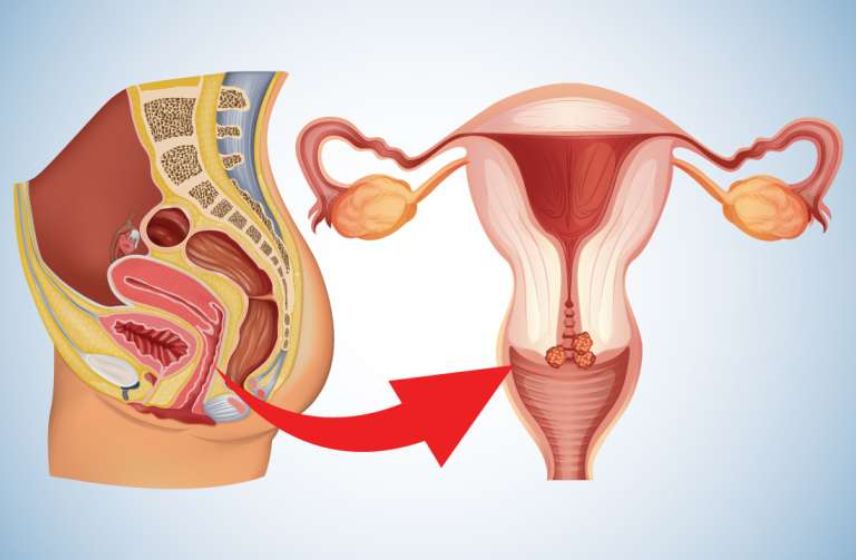
Cervical Cancer: Causes, Symptoms, Prevention, And Treatment
Cervical cancer is a malignant tumor that develops in the cervix — the lower part of the uterus that connects to the vagina. It is one of the most common yet preventable cancers affecting women. With early Cervical Cancer Screening and timely treatment, recovery and long-term survival rates are significantly higher. Understanding the causes, warning signs, and treatment options helps women make informed decisions about their reproductive health.
What Causes Cervical Cancer?
The leading cause of cervical cancer is infection with the human papillomavirus (HPV) — a group of viruses transmitted through sexual contact. While most HPV infections are harmless and resolve naturally, persistent infection with high-risk strains such as HPV 16 and HPV 18 can cause abnormal changes in cervical cells, eventually leading to cancer if untreated.
Since HPV infections often show no symptoms, many women may not realize they are infected. Regular Cervical Cancer Screening is the most effective way to detect early precancerous changes before they develop into serious disease.
Risk Factors For Cervical Cancer
Certain factors can increase the risk of developing cervical cancer:
- Early onset of sexual activity
- Multiple sexual partners
- Long-term use of oral contraceptives
- Weakened immune system (e.g., HIV infection)
- Smoking and poor lifestyle habits
- Family history of cervical or other gynecological cancers
Women who meet any of these criteria should be extra cautious about scheduling regular check-ups with the Best Cervical Doctor Near Me to ensure preventive care.
Symptoms Of Cervical Cancer
In its early stages, cervical cancer rarely produces noticeable symptoms. As it progresses, the following signs may appear:
- Abnormal vaginal bleeding between periods, after intercourse, or after menopause
- Heavy or prolonged menstrual bleeding
- Unusual vaginal discharge, often watery, bloody, or foul-smelling
- Pain during sexual intercourse
- Pelvic or lower back pain
If any of these symptoms occur, women should promptly seek evaluation from the Best Cervical Doctor Near Me for accurate diagnosis and management.
Diagnosing Cervical Cancer
Early detection saves lives. Screening and diagnostic tests help identify cervical abnormalities long before cancer develops. The main methods include:
- Pap Smear (Pap Test):
A simple, painless procedure in which cervical cells are collected and examined for precancerous or cancerous changes. Women aged 21 to 65 should have regular Pap tests every 3 years. - HPV DNA Test:
Detects high-risk HPV strains. Often performed alongside the Pap smear for women over 30, improving detection accuracy. - Colposcopy:
A magnified examination of the cervix using a colposcope to assess abnormal areas more closely. - Biopsy:
If suspicious cells are found, a small sample is taken for laboratory testing to confirm cancer. - Pelvic Imaging (Ultrasound, MRI, or CT):
Used to determine the stage and spread of cancer.
Women in Pune and nearby areas can visit the Best Cervical Doctor Near Me for reliable Cervical Cancer Screening and timely evaluation.
Treatment Options For Cervical Cancer
Treatment depends on the stage of cancer, tumor size, and the patient’s fertility goals. The major options include:
Early-Stage Cervical Cancer
- Surgical Treatment:
In the initial stages, surgery is the most effective option. Procedures such as conization (removal of a cone-shaped section of the cervix) or hysterectomy (removal of the uterus) may be performed. In early cases, fertility-preserving surgeries can also be considered. - Radiotherapy:
High-energy radiation destroys remaining cancer cells post-surgery or acts as a primary treatment when surgery isn’t possible.
Advanced Cervical Cancer
- Chemoradiation:
A combination of chemotherapy and radiotherapy used when the tumor is large or cancer has spread to nearby tissues. - Chemotherapy Alone:
May be prescribed to shrink tumors or relieve symptoms in advanced cases.
Each treatment plan is personalized by experienced specialists like the Best Cervical Doctor Near Me, who ensure patient comfort and optimal outcomes.
Complications Of Cervical Cancer And Its Treatment
While modern therapies are highly effective, potential complications may include:
- Vaginal bleeding or discharge post-treatment
- Urinary or bowel disturbances
- Early menopause or infertility due to uterine or ovarian removal
- Fatigue and nausea from chemotherapy or radiation
- Emotional and hormonal changes requiring supportive care
Comprehensive follow-up care, counselling, and rehabilitation help patients regain confidence and well-being after treatment.
Preventing Cervical Cancer
Cervical cancer is one of the most preventable cancers through awareness, lifestyle choices, and medical care. Prevention strategies include:
- HPV Vaccination:
The vaccine protects against the most dangerous HPV types (16 and 18). It is ideally administered to girls aged 9–14 but can also benefit young women and men. - Regular Cervical Cancer Screening:
Regular Pap and HPV tests help detect abnormalities early, allowing for prompt treatment. - Safe Sexual Practices:
Using protection and limiting sexual partners reduces the risk of HPV infection. - Avoiding Smoking:
Smoking doubles the risk of cervical cancer by affecting immune function and cervical cells. - Healthy Lifestyle:
A balanced diet, regular exercise, and stress management support overall immunity and hormonal balance.
Why Choose The Best Cervical Doctor Near Me?
For women in Pune seeking expert and compassionate care, consulting the Best Cervical Doctor Near Me ensures accurate diagnosis, effective treatment, and ongoing support. Specialists like Dr Shruti Patil, a renowned gynecologist and obstetrician in Pune, provide comprehensive women’s healthcare — from routine Cervical Cancer Screening to advanced surgical and fertility-preserving treatments.
Her clinic focuses on early detection, prevention, and patient-centric care, ensuring that every woman receives holistic and individualized treatment in a safe, supportive environment.
FAQ's Of Cervical Cancer
1. Who should undergo regular Cervical Cancer Screening?
Women aged 21–65 should have routine Pap smears every three years. Those over 30 can combine Pap and HPV testing every five years for the best preventive care.
2. What are the early warning signs of cervical cancer?
Early signs may include abnormal bleeding, pelvic pain, pain during intercourse, or unusual discharge. In the early stages, there may be no symptoms at all — making regular screening essential.
3. Can cervical cancer affect fertility?
Yes, certain treatments such as hysterectomy and chemoradiation can impact fertility. However, fertility-preserving surgeries are available for early-stage cases under expert supervision.
4. How can I prevent cervical cancer?
HPV vaccination, regular Cervical Cancer Screening, practicing safe sex, and avoiding smoking are the most effective preventive measures.
5. Where can I find the Best Cervical Doctor Near Me?
Women in Pune can consult Dr Shruti Patil, one of the Best Cervical Doctors Near Me, known for her expertise in cervical health, preventive screening, and advanced treatment options.