Painless Delivery Using Epidural: Benefits & What to Expect
Childbirth is one of the most powerful and life-changing experiences in a woman’s life. Along with the joy and anticipation, many mothers naturally worry about labor pain. The good news is that medical advancements have made it possible to manage labor pain effectively and safely. One of the most trusted and widely used methods is epidural anesthesia, often referred to as painless delivery.
If you’re expecting and considering an epidural, understanding how it works, its benefits, and what to expect can help you feel more confident and prepared.
What Is an Epidural?
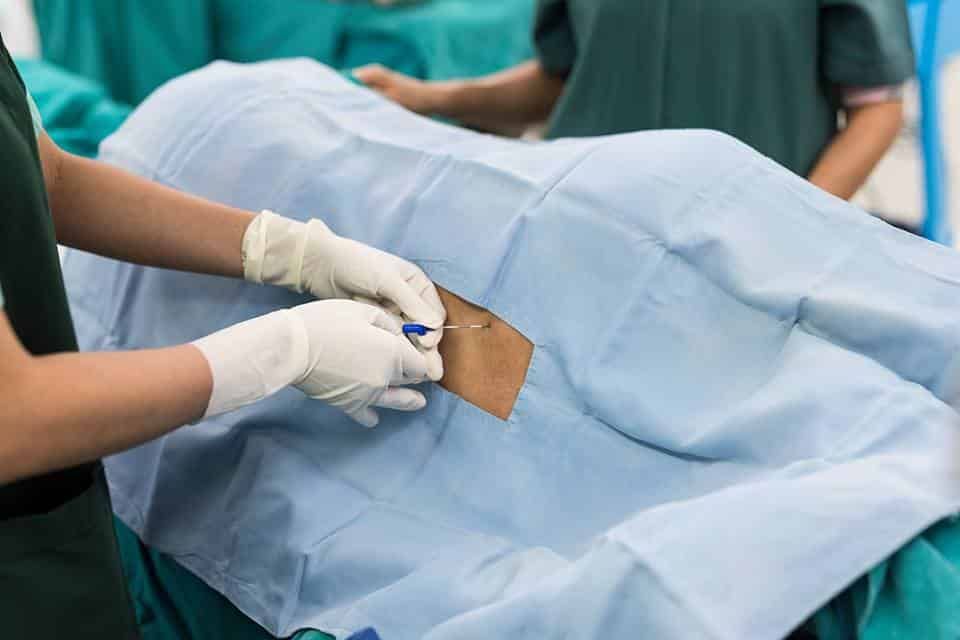
An epidural is a type of regional anesthesia that reduces pain in the lower part of the body during labor. It involves administering medication through a small catheter placed in the lower back, into the epidural space around the spinal cord. This medication blocks pain signals from reaching the brain, allowing you to stay awake and alert while significantly reducing discomfort.
Unlike general anesthesia, an epidural does not make you unconscious. You remain fully aware and actively participate in your baby’s birth — just with much less pain.
How Does an Epidural Work?
When you request an epidural during active labor, an anesthesiologist performs the procedure. Here’s what typically happens:
- You will be asked to sit or lie on your side and curl your back slightly.
- The lower back area is cleaned and numbed with a local anesthetic.
- A thin needle is inserted to place a small catheter in the epidural space.
- The needle is removed, leaving the catheter in place to deliver medication continuously.
The relief usually begins within 10 to 20 minutes. Most women experience significant pain reduction while still feeling pressure sensations, which helps during pushing.
Benefits of Painless Delivery Using Epidural
Choosing an epidural can offer several advantages:
- Effective Pain Relief
The most obvious benefit is significant reduction in labor pain. Contractions become much more manageable, allowing you to relax and conserve energy for delivery.
- Reduced Stress and Anxiety
Severe pain can increase stress hormones, which may affect labor progression. Pain relief helps you stay calm, breathe better, and feel more in control of the process.
- Energy Conservation
Labor can be long and exhausting. With reduced pain, you can rest between contractions and save energy for the pushing stage.
- Alert and Present During Birth
Unlike sedation or general anesthesia, an epidural allows you to remain awake and emotionally present for your baby’s first cry.
- Flexibility in Case of Emergency
If a cesarean section becomes necessary, the epidural can often be adjusted to provide stronger anesthesia, avoiding the need for general anesthesia.
Is Epidural Safe?
Epidural anesthesia is considered safe for most pregnant women when administered by trained professionals. Serious complications are rare. However, like any medical procedure, there may be mild side effects such as:
- Temporary drop in blood pressure
- Mild headache
- Back soreness at the injection site
- Temporary numbness or heaviness in the legs
Your doctor will evaluate your medical history before recommending an epidural to ensure it is suitable for you.
What to Expect After Getting an Epidural
Once the medication starts working, contractions will feel much less painful. You may still feel tightening or pressure, especially during the second stage of labor, but it will be far more tolerable.
Because the lower body may feel heavy or numb:
- You will likely remain in bed during labor.
- Nurses will monitor your blood pressure and baby’s heart rate regularly.
- A urinary catheter may be placed temporarily if needed.
When it’s time to push, your doctor will guide you. Even though pain is reduced, you’ll still feel enough sensation to know when to bear down.
After delivery, the epidural catheter is removed, and sensation gradually returns within a few hours.
Common Myths About Epidural
Myth 1: Epidural always causes cesarean delivery.
There is no strong evidence that epidurals directly increase cesarean rates. Many women have normal vaginal deliveries with epidural support.
Myth 2: You won’t be able to push properly.
Modern epidural techniques allow enough sensation to push effectively.
Myth 3: It causes permanent back pain.
Temporary soreness can happen, but long-term back problems are extremely rare.
Is Painless Delivery Right for You?
Every pregnancy and labor experience is unique. Some women prefer natural childbirth, while others opt for medical pain relief. There is no “right” or “wrong” choice — only what feels best and safest for you and your baby.
Discuss your birth plan with your gynecologist in advance. Understanding your options helps you make informed decisions without fear or confusion during labor.
The most important thing is delivering your baby safely while ensuring your comfort and well-being.
Conclusion
Painless delivery using epidural anesthesia has transformed the childbirth experience for millions of women. It offers safe and effective pain relief, reduces anxiety, and allows mothers to stay fully present during one of life’s most precious moments. With proper medical supervision, an epidural can make labor a calmer, more positive experience.
If you are planning your pregnancy or approaching your due date and would like expert guidance on painless delivery, consult:
Dr. Shruti Patil (Gynecologist, Obstetrician & Infertility Specialist)
Clinic Address: Flat No. 205, Gaikwad Villa, Opposite Punjab National Bank, Seasons Road, Sanewadi, Aundh, Maharashtra
Mobile no.: +918042757049
Compassionate care, expert guidance, and safe motherhood begin with the right support.
Recent Posts
-
 niPGT Demystified: The Non-Invasive Future of Genetic Testing Without Touching the Embryo
 -
 Beyond Human Eyes: How Dr. Shruti Patil Uses AI to Pick Your Best Embryo First.
 -
 “Skinny PCOS”: The Hidden Metabolic Crisis in Pune’s Lean Professional Women
 -
 The Gut–Ovary Axis: Why Your PCOS Treatment Should Actually Start in Your Stomach
 -
 A2 Ghee and Anti-Inflammation: Reclaiming Traditional Fats for Hormonal Healing