I am text block. Click edit button to change this text. Lorem ipsum dolor sit amet, consectetur adipiscing elit. Ut elit tellus, luctus nec ullamcorper mattis, pulvinar dapibus leo.
How Hormones Affect Your Mood, Skin & Weight
Have you ever wondered why some days you feel energetic and positive, while on others you feel low, tired, or irritable—without any clear reason? Or why sudden acne breakouts or unexplained weight gain seem to appear out of nowhere?
In many cases, the answer lies in your hormones.
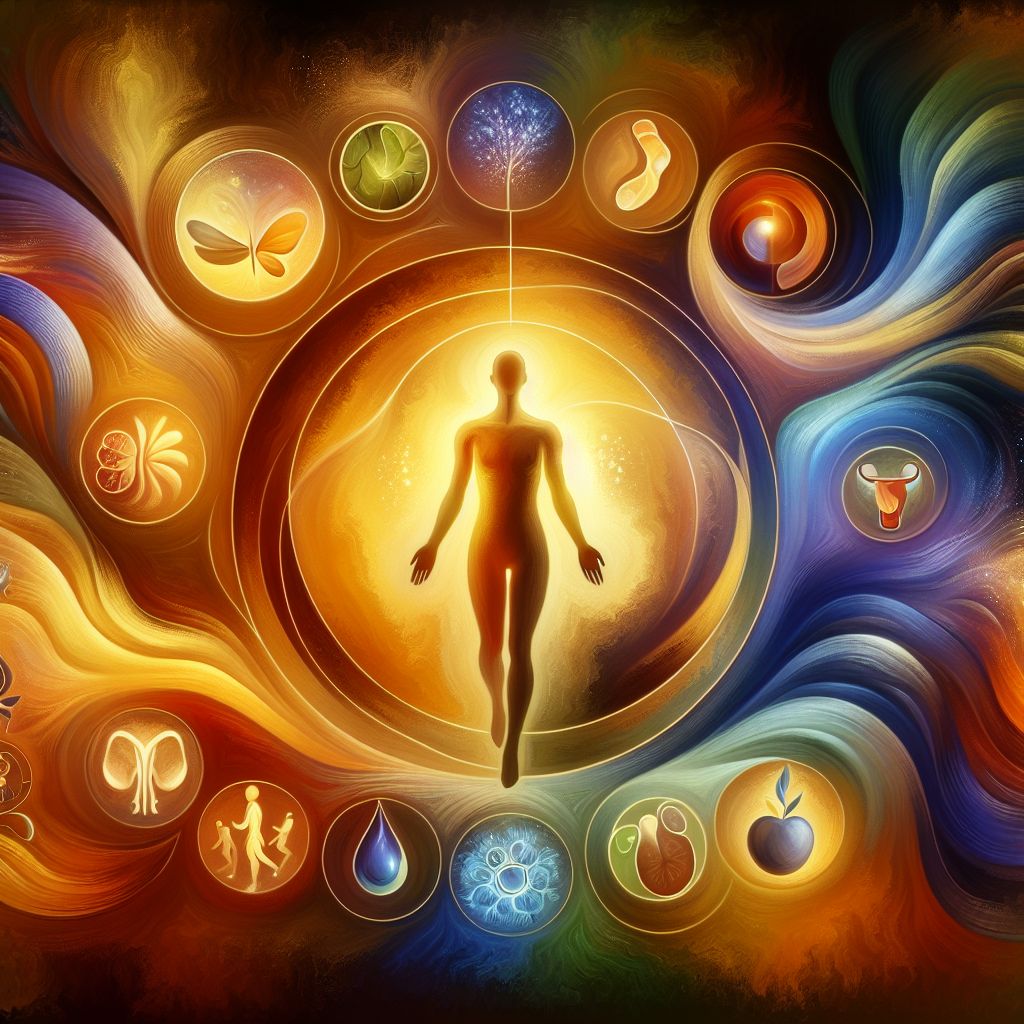
Hormones quietly control several important functions in a woman’s body—from how you feel emotionally to how your skin looks and how your body manages weight. Even a small imbalance can create noticeable changes in your daily life. According to experts like Dr. Shruti Rothe Patil, understanding these signals early can help you take better control of your health.
What Are Hormones and Why Do They Matter?
Hormones are chemical messengers produced by glands in your body. They travel through the bloodstream and regulate essential functions like metabolism, mood, sleep, growth, and reproductive health.
Some of the key hormones in women include estrogen, progesterone, thyroid hormones, insulin, and cortisol. When these hormones are balanced, your body functions smoothly. But when they fluctuate, even slightly, they can affect how you feel and how your body behaves.
How Hormones Influence Your Mood
Your emotional health is closely linked to your hormones, which is why mood changes are so common at different stages of life.
Mood Swings and Irritability
Hormonal fluctuations—especially before periods—can make you feel more sensitive, easily irritated, or emotionally overwhelmed.
Anxiety and Stress
Elevated levels of cortisol, known as the stress hormone, can lead to anxiety, restlessness, and difficulty focusing.
Low Mood or Depression
Hormonal changes during PMS, after childbirth, or around menopause can sometimes trigger feelings of sadness or low mood.
Sleep Disturbances
Hormones also affect sleep cycles. Poor sleep can further impact your mood, creating a cycle of fatigue and emotional imbalance.
How Hormones Affect Your Skin
Your skin often reflects what’s happening inside your body. Hormonal shifts are one of the most common reasons behind sudden skin changes.
Acne and Breakouts
Increased androgen levels can lead to excess oil production, clogging pores and causing acne—especially around the chin and jawline.
Dry or Sensitive Skin
Lower estrogen levels can reduce moisture retention, making your skin feel dry or more sensitive than usual.
Pigmentation Issues
Hormonal changes during pregnancy or due to certain medications can lead to dark patches, a condition known as Melasma.
Early Aging
Hormonal imbalance can reduce collagen production, leading to fine lines and loss of skin elasticity over time.
How Hormones Impact Your Weight
Struggling with weight changes despite no major lifestyle differences? Hormones might be the reason.
Weight Gain
Imbalances in insulin, thyroid hormones, or cortisol can lead to fat accumulation, especially around the abdomen.
Slower Metabolism
Conditions like Hypothyroidism can slow down metabolism, making it harder to manage weight.
Increased Cravings
Hormonal fluctuations can trigger cravings, particularly for sugary or high-calorie foods.
Bloating and Water Retention
Many women experience temporary weight gain due to fluid retention during their menstrual cycle.
What Causes Hormonal Imbalance?
Several everyday factors can disrupt hormonal balance:
- Chronic stress
- Poor sleep habits
- Unhealthy diet
- Conditions like Polycystic Ovary Syndrome
- Thyroid disorders
- Pregnancy or menopause
- Certain medications
Understanding the cause is the first step toward managing the problem effectively.
Signs You Shouldn’t Ignore
Your body often gives early warning signals. Pay attention to:
- Frequent mood swings or anxiety
- Sudden weight gain or loss
- Persistent acne or skin issues
- Irregular menstrual cycles
- Constant fatigue
- Hair thinning or excessive hair fall
If these symptoms continue, it’s important to seek medical advice.
How to Maintain Hormonal Balance
The good news is that simple lifestyle changes can help keep your hormones in balance.
Eat Nutritious, Balanced Meals
Focus on whole foods like fruits, vegetables, healthy fats, and whole grains.
Stay Physically Active
Regular exercise helps regulate hormones and improves mood.
Manage Stress
Practices like yoga, meditation, and deep breathing can help control cortisol levels.
Get Quality Sleep
Aim for 7–8 hours of sleep every night to support hormonal health.
Avoid Self-Medication
Hormonal treatments should always be taken under proper medical guidance.
When Should You See a Gynecologist?
If hormonal symptoms begin to affect your daily life, it’s time to consult a specialist.
Seek medical advice if:
- Symptoms are persistent or worsening
- Periods become irregular or painful
- Skin or weight issues appear suddenly
- You’re planning pregnancy and facing difficulties
For accurate diagnosis and personalized care, consulting an expert like Dr. Shruti Rothe Patil can help you understand the root cause and receive the right treatment.
Diagnosis and Treatment
How Are Hormonal Issues Diagnosed?
Doctors may recommend:
- Blood tests to check hormone levels
- Thyroid function tests
- Ultrasound (if needed)
- Detailed medical history evaluation
Treatment Options
Depending on the cause, treatment may include:
- Hormonal therapy
- Lifestyle changes
- Medications for thyroid or PCOS
- Nutritional support
With proper care, hormonal balance can be restored effectively.
Conclusion
Hormones have a powerful influence on your mood, skin, and weight—often in ways you may not immediately recognize. While occasional changes are normal, persistent symptoms should never be ignored.
By understanding your body, making healthy lifestyle choices, and seeking timely medical advice, you can manage hormonal changes more effectively.
If you’re experiencing ongoing concerns, guidance from experts like Dr. Shruti Rothe Patil can help you regain balance and improve your overall well-being.
Because when your hormones are in harmony, your body and mind feel better too.
Visit for Expert Women’s Health Care
For expert guidance, you can consult Dr. Shruti Rothe Patil
DR PATIL’s Shree Orthopedic and Womencare Clinic
Address – Shop No. 205, Second Floor, Gaikwad Villa,
Seasons Rd, Opp. Punjab National Bank,
Sanewadi, Aundh, Pune – 411007
Mobile No: +9177985 97722
Take the right step today for a healthy and confident journey toward motherhood.
Recent Posts
-
 niPGT Demystified: The Non-Invasive Future of Genetic Testing Without Touching the Embryo
 -
 Beyond Human Eyes: How Dr. Shruti Patil Uses AI to Pick Your Best Embryo First.
 -
 “Skinny PCOS”: The Hidden Metabolic Crisis in Pune’s Lean Professional Women
 -
 The Gut–Ovary Axis: Why Your PCOS Treatment Should Actually Start in Your Stomach
 -
 A2 Ghee and Anti-Inflammation: Reclaiming Traditional Fats for Hormonal Healing