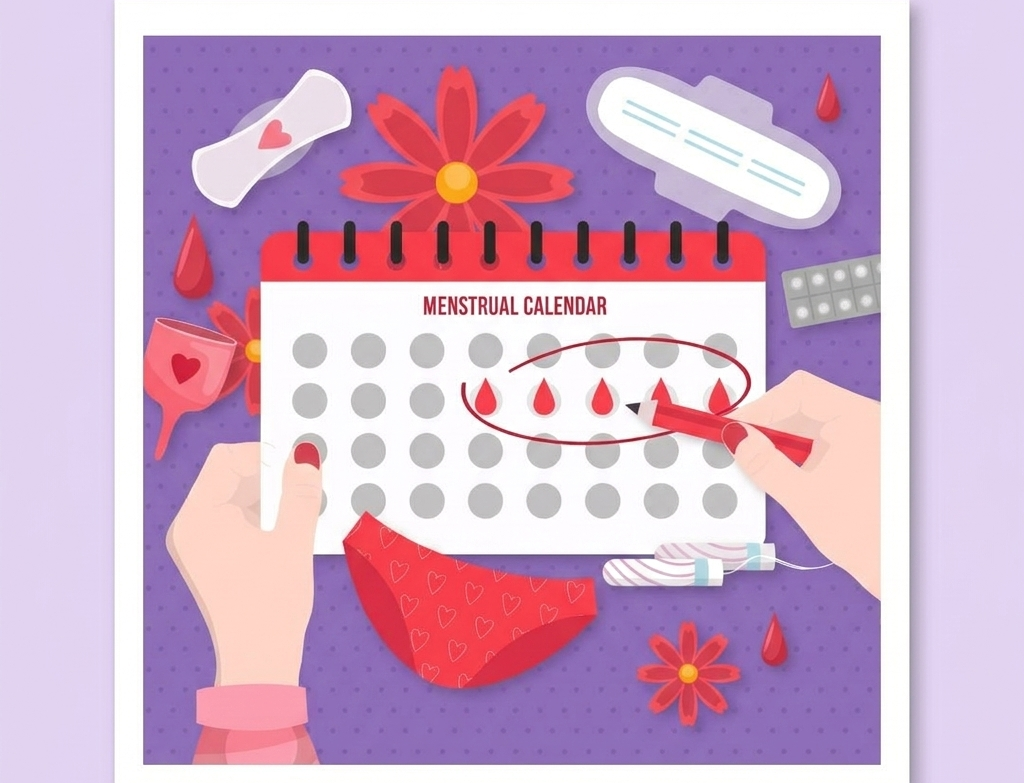
Irregular Periods: Common Causes & Best Treatment
A regular menstrual cycle is often seen as a sign of good reproductive health. So when periods start coming late, early, too frequently, or stop suddenly, it can feel confusing and stressful. Many women ignore irregular periods thinking it’s “normal” due to stress, lifestyle, or age. But the truth is—your periods are a message from your body, and irregularity is usually a sign that something needs attention.
Irregular periods are common, especially in teenage years and around menopause, but they should not be ignored if they happen repeatedly. Understanding the causes and the right treatment approach can help you regain cycle balance and prevent future complications.
What Are Irregular Periods?
A normal menstrual cycle usually ranges between 21 to 35 days, and bleeding lasts around 3 to 7 days. Your periods are considered irregular if:
- Your cycle length keeps changing every month
- Periods come before 21 days or after 35 days
- You miss periods frequently
- Bleeding is too heavy or very light
- Spotting occurs between periods
- Periods stop for 3 months or more (not due to pregnancy)
Having an occasional delay is not alarming. But when irregularity becomes frequent, it’s important to find the root cause.
Common Causes of Irregular Periods
1) Stress and Mental Health
Stress is one of the most overlooked causes. When your body is under stress, it releases cortisol, which can disturb hormone balance and delay ovulation. This directly affects the timing of periods.
Signs include:
- Late periods during exam/work pressure
- Poor sleep, anxiety, mood swings
- Weight change without reason
2) PCOS (Polycystic Ovary Syndrome)
PCOS is one of the most common reasons behind irregular periods in young women. It happens when ovaries produce excess androgens (male-type hormones), leading to delayed ovulation or no ovulation.
Common symptoms:
- Irregular or missed periods
- Weight gain (especially belly fat)
- Acne, oily skin
- Facial hair growth
- Difficulty getting pregnant
3) Thyroid Disorders
The thyroid gland controls metabolism and also affects menstrual hormones. Both hypothyroidism and hyperthyroidism can disturb periods.
Symptoms may include:
- Hair fall, fatigue
- Sudden weight gain/loss
- Dry skin or sweating
- Mood changes
- Irregular bleeding or missed periods
4) Weight Changes and Poor Nutrition
Your body needs a stable weight and nutrition for regular ovulation. Sudden weight loss, crash dieting, or being underweight can stop periods completely.
On the other side, obesity can increase insulin resistance and hormone imbalance, leading to irregular cycles.
5) Excessive Exercise
Over-exercising, especially without proper nutrition, can cause hormonal imbalance. This is common in athletes, dancers, or women doing intense workouts daily.
6) High Prolactin Levels
Prolactin is the hormone responsible for breast milk production. If it becomes high (even without pregnancy), it can stop ovulation.
Symptoms:
- Missed periods
- Milk-like discharge from breasts
- Headache or vision issues (rare cases)
7) Uterine Fibroids or Polyps
Fibroids and polyps are growths in the uterus. They don’t always cause irregular periods, but they can lead to:
- Heavy bleeding
- Bleeding between periods
- Pain during periods
- Anemia and weakness
8) Perimenopause (Age-Related Changes)
In your late 30s or 40s, hormones start changing gradually. Ovulation becomes irregular, causing skipped or early periods. This transition period is called perimenopause.
Signs include:
- Hot flashes
- Mood swings
- Sleep issues
- Lighter or heavier flow than usual
9) Birth Control Methods
Some contraceptives can affect periods, especially:
- Hormonal pills
- Injections
- Implants
- Copper-T (may cause heavy bleeding)
Irregular spotting is common in the initial months, but if it continues, medical advice is needed.
Best Treatment for Irregular Periods
There is no “one medicine” for irregular periods because treatment depends on the cause. The best approach is a proper diagnosis first.
Step 1: Correct Diagnosis
A doctor may recommend:
- Pregnancy test (first step)
- Ultrasound (to check ovaries and uterus)
- Hormone tests (FSH, LH, prolactin, thyroid, AMH)
- Blood sugar and insulin levels (PCOS-related)
- CBC test (if heavy bleeding is present)
Step 2: Lifestyle Treatment (Most Powerful)
For many women, lifestyle correction alone can bring periods back on track:
Maintain healthy weight
30 minutes walking/exercise daily
Reduce sugar and junk food
Increase protein, iron, vegetables
Sleep 7–8 hours
Manage stress using yoga, breathing, meditation
This is especially effective for PCOS and thyroid-related irregularity.
Step 3: Medical Treatment Based on Cause
A gynecologist may prescribe:
- Hormonal tablets to regulate cycle
- Thyroid medicines if thyroid imbalance
- Insulin resistance medicines in PCOS
- Treatment for infection (if discharge/infection symptoms)
- Iron supplements if heavy periods cause anemia
Step 4: Procedure or Surgery (If Needed)
In some cases, doctors may suggest:
- Removal of polyps or fibroids
- Hysteroscopy for uterine cavity issues
- Laparoscopy if endometriosis is suspected
These are only recommended if truly required.
When Should You See a Doctor?
You should consult a gynecologist if:
- Periods are irregular for 3 months or more
- Bleeding is too heavy (pad change every 1–2 hours)
- Severe pain during periods
- Spotting between periods
- Missed periods with pregnancy ruled out
- You are trying to conceive and cycles are irregular
Early diagnosis prevents future fertility problems and hormonal complications.
Conclusion
Irregular periods are not something you says “it will fix itself” every time. Sometimes it is stress, but often it can be PCOS, thyroid imbalance, or hormonal disturbances that need proper treatment. The good news is—most causes are manageable with the right lifestyle changes and medical care. If your cycle has been irregular for months, don’t delay. Timely treatment not only improves menstrual health but also protects fertility and overall well-being.
Consultation Details
Dr. Shruti Patil (Gynecologist, Obstetrician & Infertility Specialist)
Clinic Address: Flat No. 205, Gaikwad Villa, Opposite Punjab National Bank, Seasons Road, Sanewadi, Aundh, Maharashtra
Mobile no.: +918042757049
Recent Posts
-
 niPGT Demystified: The Non-Invasive Future of Genetic Testing Without Touching the Embryo
 -
 Beyond Human Eyes: How Dr. Shruti Patil Uses AI to Pick Your Best Embryo First.
 -
 “Skinny PCOS”: The Hidden Metabolic Crisis in Pune’s Lean Professional Women
 -
 The Gut–Ovary Axis: Why Your PCOS Treatment Should Actually Start in Your Stomach
 -
 A2 Ghee and Anti-Inflammation: Reclaiming Traditional Fats for Hormonal Healing