PCOD vs Endometriosis: Key Differences You Must Know
Many women experience period problems, pelvic pain, or difficulty getting pregnant—but the reason behind it is not always the same. Two conditions that often create confusion are PCOD (Polycystic Ovarian Disease) and Endometriosis. Both can cause irregular periods, pain, hormonal imbalance, and fertility issues. Because the symptoms can overlap, many women either self-diagnose incorrectly or continue treatment without clear confirmation.
Here’s the honest truth: PCOD and endometriosis are completely different conditions, and the treatment is also different. Knowing the difference can save you years of discomfort, wrong medication, and unnecessary anxiety. Let’s understand what each condition is, how to identify it, and when to consult a gynecologist.
What Is PCOD?
PCOD (Polycystic Ovarian Disease) is a hormonal disorder where the ovaries produce excess androgen (male hormones), which can disturb ovulation. When ovulation doesn’t happen properly, multiple small immature follicles may be seen in the ovaries on ultrasound. This is why it’s called “polycystic ovaries.”
PCOD is extremely common today, especially in young women due to:
- lifestyle changes
- stress
- weight gain
- insulin resistance
PCOD is manageable and often improves significantly with diet, weight control, and treatment.
What Is Endometriosis?
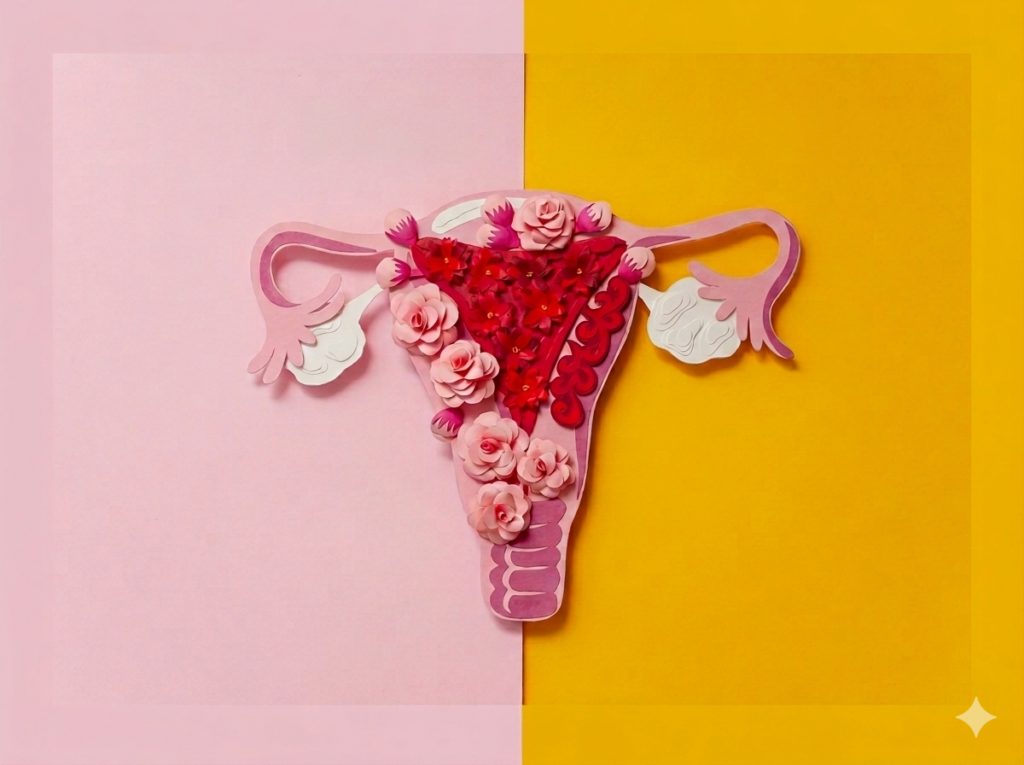
Endometriosis is a condition where tissue similar to the uterine lining (endometrium) grows outside the uterus—most commonly on:
- ovaries
- fallopian tubes
- pelvic lining
- uterus outer surface
This tissue behaves like normal uterine lining: it thickens and bleeds during periods, but because it is outside the uterus, the blood cannot exit the body properly. This leads to inflammation, scarring, and chronic pelvic pain. Over time, it can damage fertility and quality of life.
Endometriosis is not primarily a lifestyle disease—it’s a medical condition that often needs long-term management.
PCOD vs Endometriosis: Key Differences
1) Root Cause
PCOD: Mainly hormonal imbalance and insulin resistance
Endometriosis: Abnormal growth of endometrial-like tissue outside uterus
PCOD is more about hormones and ovulation. Endometriosis is more about pain, inflammation, and tissue damage.
2) Most Common Symptoms
PCOD Symptoms:
- irregular or missed periods
- weight gain (especially belly fat)
- acne and oily skin
- facial hair growth
- hair thinning
- difficulty in pregnancy due to irregular ovulation
Endometriosis Symptoms:
- severe period pain (often unbearable)
- pelvic pain even after periods
- pain during intercourse
- pain while passing urine or stool during periods
- heavy bleeding or spotting
- difficulty in pregnancy even with regular periods
3) Menstrual Cycle Pattern
PCOD: cycles are irregular or skipped
Endometriosis: cycles may be regular, but painful and heavy
This is one of the biggest differences. Many women with endometriosis have “normal” timing of periods but extreme pain.
4) Fertility Impact
Both can affect fertility, but in different ways.
PCOD: pregnancy becomes difficult mainly because of irregular ovulation.
Endometriosis: pregnancy becomes difficult because of scarring, inflammation, and damage to tubes/ovaries.
PCOD-related infertility is often reversible with ovulation treatment. Endometriosis-related infertility may need stronger intervention.
5) Ultrasound Findings
PCOD Ultrasound: polycystic ovaries (multiple small follicles)
Endometriosis Ultrasound: may show endometriotic cysts (chocolate cysts), but early endometriosis may not be visible
Here’s the problem: some women have symptoms but normal ultrasound. That doesn’t rule out endometriosis. Diagnosis often needs deeper evaluation.
6) Weight Connection
PCOD: strongly linked with weight and insulin resistance
Endometriosis: can happen in any body type, even very fit women
Many women think only overweight women face gynec problems—false. Endometriosis affects even slim women.
7) Pain Level
PCOD: mild to moderate discomfort, not usually severe
Endometriosis: pain can be intense and disrupt daily life
If you are missing work, unable to walk during periods, vomiting due to pain—this is not “normal periods.” This is a serious sign.
How to Know Which One You Have?
You cannot confirm it based on Google symptoms. Proper diagnosis requires medical evaluation. Doctors typically recommend:
For PCOD:
- ultrasound
- hormone tests
- blood sugar and insulin levels
- lipid profile
For Endometriosis:
- detailed symptom history
- pelvic exam
- ultrasound (for cysts)
- MRI (in some cases)
- laparoscopy (gold standard if required)
Treatment: PCOD vs Endometriosis
PCOD Treatment
PCOD is highly manageable. Treatment usually includes:
- weight loss (even 5–7% can help)
- low sugar and high-protein diet
- regular exercise
- medicines for cycle regulation
- insulin resistance treatment
- ovulation induction if pregnancy is planned
Most women respond very well when lifestyle correction is serious and consistent.
Endometriosis Treatment
Endometriosis needs long-term care. Treatment options include:
- pain management
- hormonal therapy to reduce growth
- treatment of cysts if present
- laparoscopic surgery if needed (for severe cases or infertility)
Some women require a combination of medicines and surgery. The goal is pain relief, controlling disease progression, and fertility support.
When to See a Doctor Immediately?
Consult a gynecologist if:
- your periods are irregular for 3+ months
- pain is severe and increasing month by month
- you have pain during sex
- you have heavy bleeding
- you’re trying to conceive for 6–12 months without success
Delaying diagnosis—especially for endometriosis—can worsen fertility outcomes.
Conclusion
PCOD and endometriosis are both common, but they are not the same disease. PCOD is mainly a hormonal and lifestyle-related condition, while endometriosis is a painful inflammatory disorder caused by abnormal tissue growth. The symptoms may overlap, but key differences like cycle pattern, pain intensity, and fertility impact can guide diagnosis. Most importantly, don’t normalize painful periods or keep experimenting with random treatments. Correct diagnosis is the first step towards proper relief and better reproductive health.
Consultation Details
Dr. Shruti Patil (Gynecologist, Obstetrician & Infertility Specialist)
Clinic Address: Flat No. 205, Gaikwad Villa, Opposite Punjab National Bank, Seasons Road, Sanewadi, Aundh, Maharashtra
Mobile no.: +918042757049
Recent Posts
-
 niPGT Demystified: The Non-Invasive Future of Genetic Testing Without Touching the Embryo
 -
 Beyond Human Eyes: How Dr. Shruti Patil Uses AI to Pick Your Best Embryo First.
 -
 “Skinny PCOS”: The Hidden Metabolic Crisis in Pune’s Lean Professional Women
 -
 The Gut–Ovary Axis: Why Your PCOS Treatment Should Actually Start in Your Stomach
 -
 A2 Ghee and Anti-Inflammation: Reclaiming Traditional Fats for Hormonal Healing