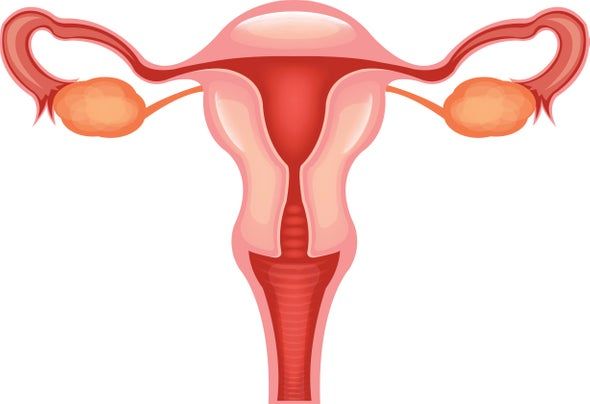
Polycystic Ovarian Disease (PCOD), also known as Polycystic Ovary Syndrome (PCOS), is a widespread hormonal disorder among women of reproductive age. Although most women suffer from mild symptoms, for some, it can adversely affect fertility, menstruation, and overall health. Being aware of the causes, knowing the symptoms, and availing contemporary treatments are all crucial steps in effectively managing PCOD.
In Pune, Dr. Shruti Patil, one of the city’s top female gynaecologists in Aundh, treats women suffering from PCOD, infertility, and other gynaecological complaints with state-of-the-art treatment. Her clinic provides end-to-end solutions customized for every patient with a focus both on relief and reproductive well-being in the long run.
What is PCOD?
PCOD is a condition where the woman’s ovaries secrete an abnormal amount of androgens, male hormones, in addition to the normal female hormones. This hormonal imbalance may result in irregular periods, ovarian cysts, and trouble with conception. Women with PCOD can have several small cysts on the ovaries, but not all such women have visible cysts.
It is essential to differentiate PCOD from Polycystic Ovary Syndrome (PCOS). Although both terms are used synonymously, PCOS tends to be more serious and involves symptoms like insulin resistance, obesity, and metabolic disorders. Nonetheless, both diseases need meticulous medical care and lifestyle planning.
Causes of PCOD
The cause of PCOD is not entirely known, but some factors play a role in the development of PCOD:
- Hormonal Disruption: Overproduction of androgens may hinder normal ovulation, causing abnormal periods.
- Insulin Resistance: Insulin resistance in women may lead to increased insulin levels, which stimulate overproduction of androgens, aggravating PCOD symptoms.
- Genetics: Inheritance of a family history of PCOD raises the chances of developing PCOD.
- Lifestyle: Physical inactivity, unhealthy eating habits, and obesity can worsen the symptoms.
Imbalance in hormones not only compromises reproductive well-being but also results in weight gain, hair loss, acne, and mood swings. Once the causes are known, a good treatment plan can be formulated with a reliable gynaecologist in Aundh Pune.
Symptoms of PCOD
PCOD symptoms are different for every woman, and some of them may be very mild, whereas others can be stronger. Some of the main symptoms are:
- Irregular Cycles: Menstrual periods can be irregular, absent, or infrequent.
- Excessive Hair Growth: Excessive hair growth on the face, chest, or back, or hirsutism, is common because of high levels of androgens.
- Acne and Oily Complexion: Persistent acne and oily skin are usually caused by hormonal imbalance.
- Weight Gain: Weight gain that cannot be explained or losing weight may happen in many women.
- Hair Thinning: Hair thinning of the scalp can result from high male hormones.
- Infertility: Irregular ovulation or anovulation impairs natural conception.
- Mood Swings: Fluctuations in hormones may trigger anxiety, depression, or irritability.
Early diagnosis of these symptoms and meeting a female gynaecologist at Aundh ensures early treatment, minimizing long-term complications.
Contemporary Treatment Options for PCOD
Treatment for PCOD varies based on symptoms, reproductive aspirations, and general well-being. Contemporary management integrates medical therapy, lifestyle changes, and in certain cases, surgery to effectively control the condition.
1. Lifestyle Management
Lifestyle modifications are at the centre of PCOD management. A good diet, regular exercise, and body weight regulation can largely correct hormonal balance and minimize insulin resistance.
- Diet: Incorporate high-fibre foods, lean meats, and whole grains. Restrict processed foods, sugars, and refined carbs.
- Exercise: Physical activity on a regular basis aids in weight management, enhances insulin sensitivity, and alleviates stress.
- Stress Management: Yoga, meditation, and proper sleep are crucial for hormonal control.
2. Medical Treatment
Based on the symptoms, a gynaecologist in Aundh Pune can suggest the following medications:
- Hormonal Therapy: Birth control pills regulate menstrual cycles, lower androgen levels, and control acne and hair growth.
- Metformin: To enhance insulin sensitivity and assist with weight control.
- Fertility Medications: For fertility-trying women, ovulation-stimulating drugs like clomiphene citrate are prescribed.
Dr. Shruti Patil, Pune’s top gynaecologist, ensures that all drugs are prescribed according to the patient’s personal health profile for maximum benefits.
3. Advanced Infertility Treatments
For women with PCOD who face difficulty conceiving, newer reproductive methods are effective options. Treatments by Dr. Shruti Patil include:
- Intrauterine Insemination (IUI): Washed sperm is placed directly inside the uterus to maximize fertilization chances.
- Ovulation Induction: Drugs stimulate egg maturation and release.
- Fertility-Sparing Procedures: Minimally invasive operations enhance ovarian function and reproductive results.
Monitoring and customized treatment protocols improve conception success rates for women with PCOD.
4. Gynae Surgeries
In serious cases where medicines prove ineffective, surgical procedures may be considered:
- Laparoscopic Ovarian Drilling: Minimally invasive procedure to stimulate ovulation by reducing androgen-secreting tissue within ovaries.
- Gynae Laparoscopy & Endoscopy: Used for diagnosis and treatment of cysts, endometriosis, or other ovarian problems.
These modern techniques guarantee minimal recovery time, less discomfort, and improved reproductive health compared to conventional procedures.
PCOD and Long-Term Health
Women with PCOD are at increased risk for certain health problems later in life if not treated:
- Type 2 Diabetes: Insulin resistance may progress to diabetes.
- Heart Disease: Insulin resistance and obesity increase risk.
- Endometrial Cancer: Infrequent menses and prolonged oestrogen exposure increase risk.
- Obesity and Metabolic Syndrome: Lack of lifestyle control exacerbates symptoms.
Periodic consultations with a lady gynaecologist in Aundh, such as Dr. Shruti Patil, can monitor such risks and provide preventive care.
Need for Regular Check-Ups
Annual gynaecological check-ups are necessary even if symptoms are minimal. Check-ups enable early diagnosis of hormonal imbalances, ovarian cysts, and other reproductive problems. Routine checks may include:
- Pelvic ultrasounds
- Blood tests to check hormone levels
- Insulin and blood sugar monitoring
- Fertility assessments
Early detection and regular follow-up enhance treatment outcomes and minimize long-term complications.
Selecting the Right Gynecologist
Choosing the right gynaecologist ensures individualized care, emotional support, and access to advanced treatments. Dr. Shruti Patil, one of the best gynaecologists in Aundh Pune, has over 9 years of experience in obstetrics, infertility, and advanced gynaecologic procedures.
Her services include:
- Treatment of Polycystic Ovarian Disease (PCOD)
- Advanced infertility treatments like IUI and ovulation induction
- Gynec laparoscopy and minimally invasive operations
- Obstetrics, maternity services, and painless labour
- Menopause counselling and management of menstrual disorders
She combines medical expertise with empathetic care to ensure every patient feels supported throughout treatment.
Lifestyle Advice for Women with PCOD
Lifestyle modifications complement medical treatment and improve long-term outcomes:
- Maintain a healthy diet rich in vegetables, fruits, and whole grains.
- Exercise daily for insulin sensitivity and weight management.
- Avoid added sugar, processed foods, and starches.
- Track menstrual cycles and report abnormalities.
- Practice stress reduction using yoga, meditation, or mindfulness.
- Regular follow-up with a female gynaecologist to monitor hormones and ovarian function.
Implementing these practices along with medical treatment enhances quality of life and reproductive function.
Conclusion
PCOD is a prevalent yet controllable condition if diagnosed early and treated efficiently. Awareness of symptoms, understanding causes, and adopting advanced treatments can improve fertility, menstrual regularity, and overall well-being.
For women in Pune seeking professional care, Dr. Shruti Patil, one of the most experienced female gynaecologists in Aundh, provides cutting-edge treatments for PCOD, infertility, and other gynaecological issues. Her clinic focuses on comprehensive care, combining medical treatment with lifestyle guidance for long-term well-being.
Clinic Name: Dr. Patil’s Gynaecologist
Address: Flat No. 205, Gaikwad Villa, Opposite Punjab National Bank, Seasons Road, Sane wadi, Aundh, Pune
Contact: +91 8042757049
Recent Posts
-
 niPGT Demystified: The Non-Invasive Future of Genetic Testing Without Touching the Embryo
 -
 Beyond Human Eyes: How Dr. Shruti Patil Uses AI to Pick Your Best Embryo First.
 -
 “Skinny PCOS”: The Hidden Metabolic Crisis in Pune’s Lean Professional Women
 -
 The Gut–Ovary Axis: Why Your PCOS Treatment Should Actually Start in Your Stomach
 -
 A2 Ghee and Anti-Inflammation: Reclaiming Traditional Fats for Hormonal Healing