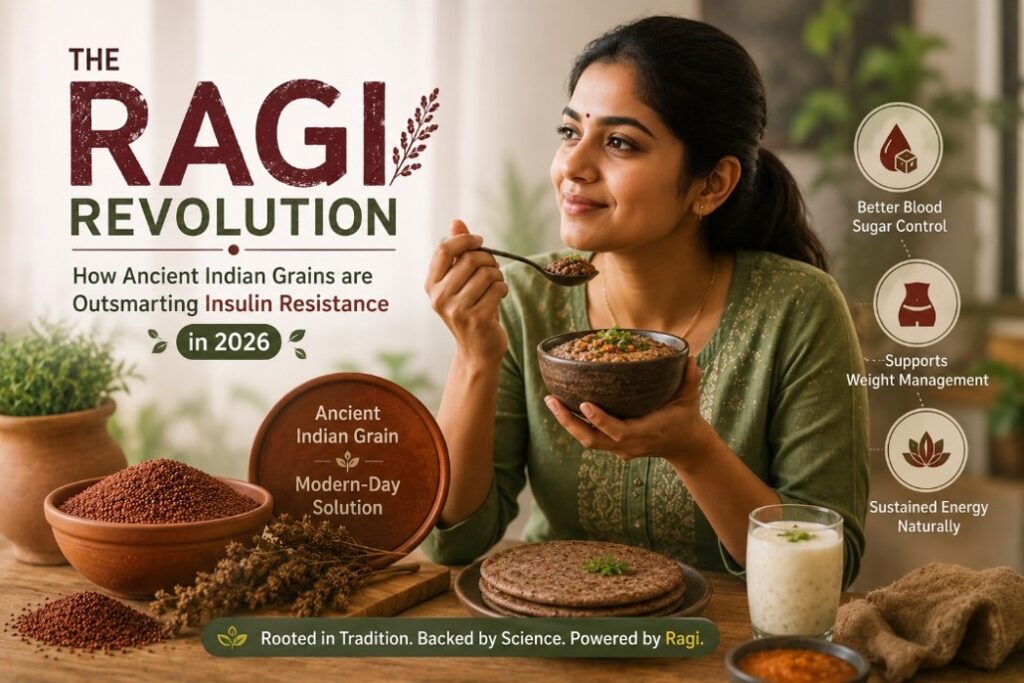
The Ragi Revolution: How Ancient Indian Grains are Outsmarting Insulin Resistance in 2026
In the heart of every Indian kitchen, a quiet revolution is brewing — one made of ancient grains and modern science. Imagine swapping your usual wheat roti for a deep, earthy-brown ragi (finger millet) roti. It might taste familiar to grandma but to your body, this swap is a game-changer. Recent research shows that ragi’s unique nutrition and slow-digesting carbs help tame insulin spikes and boost metabolic health. It’s time to join “The Ragi Revolution” sweeping households in 2026, a movement where tradition meets technology to fight diabetes and insulin resistance.
Ragi has been a staple in South India for generations, prized as much for its resilience on dry soils as for its health benefits. Unlike refined flour, ragi is naturally gluten-free and packed with fiber, protein, and antioxidants. These nutrients work together to slow digestion. In practical terms, a ragi-based meal raises blood sugar slowly and steadily — not in a sharp spike that can overwhelm insulin. This “slow-release” of glucose is exactly what makes ragi beneficial for anyone managing blood sugar levels.
Millets like ragi have a low glycemic index (GI). Foods with low GI turn into sugar gradually. For people with diabetes or prediabetes, this means less dramatic insulin swings. Ragi, specifically, is high in soluble fiber, which gels in the gut and further slows sugar absorption. Several studies confirm that diets including finger millet improve insulin sensitivity — that is, the body’s ability to use insulin effectively. Better insulin sensitivity translates to more stable blood sugars and a lower burden on the pancreas. In essence, ragi helps “train” your body to handle carbohydrates more gracefully.
“Imagine your bloodstream as a road and glucose as cars,” explains Dr. Shruti Rothe Patil, a high-risk pregnancy and diabetes specialist in Pune. “High-GI foods send a traffic jam of cars all at once, whereas ragi is like a steady trickle. There’s no crash, no chaos.” Ragi’s modest pace also eases the stress on insulin, helping prevent the vicious cycle where constant spikes eventually lead to insulin resistance.
Nutritional Powerhouse Against Insulin Resistance
Beyond fiber and GI, ragi brings other allies to the fight against insulin resistance:
- Protein and Amino Acids: Ragi is unusually rich in plant protein and contains essential amino acids like methionine and lysine. These help with muscle repair and keep you feeling full. A satisfied appetite means fewer sugary cravings and snacks between meals.
- Antioxidants & Micronutrients: It’s packed with antioxidants and micronutrients (iron, calcium, and magnesium). Oxidative stress and inflammation are known to worsen insulin resistance. Antioxidants in ragi neutralize free radicals, protecting cells from damage. Magnesium in ragi improves insulin action in cells, so each insulin molecule works more efficiently.
- Polyphenols and Fermentation: Traditional preparation methods, like fermenting or sprouting ragi, actually enhance these benefits. Fermentation further reduces anti-nutrients (like phytic acid) and increases available antioxidants. It’s no wonder many families soak, ferment, or sprout their ragi to make popular dishes like ragi malt or porridge.
Together, these qualities help ragi not just “count carbs,” but actively improve metabolism. Dr. Patil notes, “We’ve seen patients with prediabetes reverse course just by adding ragi roti and porridge to their diet.” Clinical nutrition studies echo this: in one trial, participants eating ragi flatbreads saw smaller post-meal glucose rises than those eating wheat breads. Over months, such changes could mean fewer diabetes diagnoses on a national scale.
Figure: Ragi (finger millet) is high in fiber and has a low glycemic index. Research shows that its nutrients slow glucose release and improve insulin sensitivity, helping stabilize blood sugar.
Tasty Traditions for Modern Health
In practice, embracing ragi in 2026 means reconnecting with age-old recipes, sometimes with a modern twist. Here are some delicious ways families are riding the Ragi Revolution:
- Ragi Porridge (Ragi Malt): A creamy breakfast made by roasting ragi flour, then cooking it with water or milk. Top with nuts or jaggery for flavor. It’s rich, comforting, and keeps you full till lunch.
- Ragi Roti: Mix whole ragi flour with a little wheat or chickpea flour (to improve texture) and a pinch of salt. Roll into rotis and cook on the tava. These nutty rotis replace all-purpose flour breads, delivering steady energy.
- Ragi Idli/Dosa: South Indians have long mixed ragi flour into idli/dosa batters. The tangy, fermented batter of rice and ragi creates fluffy idlis and crispy dosas with a healthier profile.
- Ragi Cookies and Snacks: For a guilt-free sweet, chefs are baking ragi cookies or laddoos (sweets) using ragi flour, dates, and nuts. Even kids are munching on ragi granola bars for school!
Each of these dishes feels familiar but adds a health boost. The key is portion and combination: pair ragi with vegetables, lean proteins, and healthy fats (like ghee or cold-pressed oils). This slows digestion even more and rounds out the meal.
Expert Tip:
- Balance Carbs and Protein: Dr. Patil advises her patients to always eat ragi with some protein (dal, paneer, eggs, or chicken) and fiber (veggies) in the same meal. This combo blunts any sugar rise further and keeps insulin demand low.
At DR PATIL’s Shree Orthopedic and Womencare Clinic, Dr. Patil notes that including millets like ragi has become part of many patients’ lifestyle plans. “It’s not about deprivation,” she says. “It’s about smart swaps.” For example, at diabetic workshops she encourages women to replace at least one meal a day with millets or whole grains. Patients who do this, alongside regular exercise, often report better energy and more stable fasting glucose.
Freshness and Facts: Ragi’s Role in 2026
Two recent meta-analyses have reinforced what tradition says: millets (including ragi) are allies against type 2 diabetes and insulin resistance. A 2024 study in Nutrition Reviews found millet consumption linked to lower fasting blood glucose and cholesterol levels. Another 2025 review (Indian Journal of Endocrinology) emphasized that millets slow glycemic response and improve blood lipid profiles.
Importantly, modern agriculture has ensured quality ragi flour is widely available. Many brands now offer sprouted ragi flour, which boosts nutritional value. Sprouting germinates the grain, increasing bioavailable vitamins and antioxidants. Anecdotally, our patients who switched to sprouted ragi report feeling lighter and more energetic.
Remember, “freshness” is key. Just like with any grain, store ragi flour in a cool, airtight container. Ragi can go rancid in humidity. Buy from reputable sources (like specialized online stores or even local markets) and look for ones marked “sprouted” if possible. This ensures you harness every bit of its nutritional depth.
Practical Tips and Interlinking to Care
To sum up how you can ride the Ragi Revolution, here are practical tips:
- Start Slow: Replace one wheat meal with ragi-based dishes per day. Listen to your body and gradually increase.
- Mix Grains: If you crave variety, combine ragi flour with other whole grain flours (like bajra or jowar) for rotis. This keeps meals interesting and nutritionally diverse.
- Stay Hydrated: Fiber-rich ragi needs water. Drink enough fluids so the fiber aids digestion, not constipation.
- Consult a Dietitian: For personalized plans, consider nutrition counseling. Our clinic offers dietary advice – see our Contact Us page for an appointment.
Internally linking to our site, you might visit our Ortho and WomenCare sections for holistic wellness tips. (Though our footer focuses on orthopedics, we want patients to know: Dr. Patil also cares deeply about metabolic health and pregnancy nutrition. We’ll soon add dedicated pages!)
Conclusion: Embrace the Grain of Health
The “ancient grain” label isn’t just marketing — science increasingly confirms that millets like ragi carry serious health weight in 2026. By choosing ragi, you are going beyond just managing calories: you are leveraging fiber, slow carbs, and micronutrients to work with your metabolism rather than fighting against it.
As Dr. Patil emphasizes: “In our diet chart, ragi is our secret weapon against modern lifestyle diseases.” Whether you’re worried about diabetes, or simply want a more balanced diet, let this humble grain be your ally. Boldly start your day with a ragi smoothie or end it with a warm ragi pudding. Over time, these smart swaps don’t feel like a sacrifice — they feel like a richer, more satisfying way to eat.
Step into the ragi revolution today. Your insulin will thank you tomorrow.
Visit the Best Gynecologist in Aundh, Pune
Your career is a marathon, not a sprint. Don’t let your 10-hour shift dictate your future family goals or your physical well-being.
At Dr. Shruti Rothe Patil’s Clinic, we specialize in managing the complexities of the modern woman’s health—from Normal Delivery Specialist care to managing Avascular Necrosis (AVN) or Shoulder Arthroscopy.
Contact Us Today:
- Name: Dr. Shruti Rothe Patil
- Location: Shop No 205, 2nd Floor, Gaikwad Villa, Seasons Rd, opposite Punjab National Bank, Sahil Park, Sanewadi, Aundh, Pune, Maharashtra 411007.
- Phone: +91 77985 97722
- Website: drshrutipatil.in
Your health is your greatest asset. Invest in it today
Recent Posts
-
 niPGT Demystified: The Non-Invasive Future of Genetic Testing Without Touching the Embryo
 -
 Beyond Human Eyes: How Dr. Shruti Patil Uses AI to Pick Your Best Embryo First.
 -
 “Skinny PCOS”: The Hidden Metabolic Crisis in Pune’s Lean Professional Women
 -
 The Gut–Ovary Axis: Why Your PCOS Treatment Should Actually Start in Your Stomach
 -
 A2 Ghee and Anti-Inflammation: Reclaiming Traditional Fats for Hormonal Healing